Hull Rupture Galaxy Map Guide: Star Exploration Speed and Navigation Routes
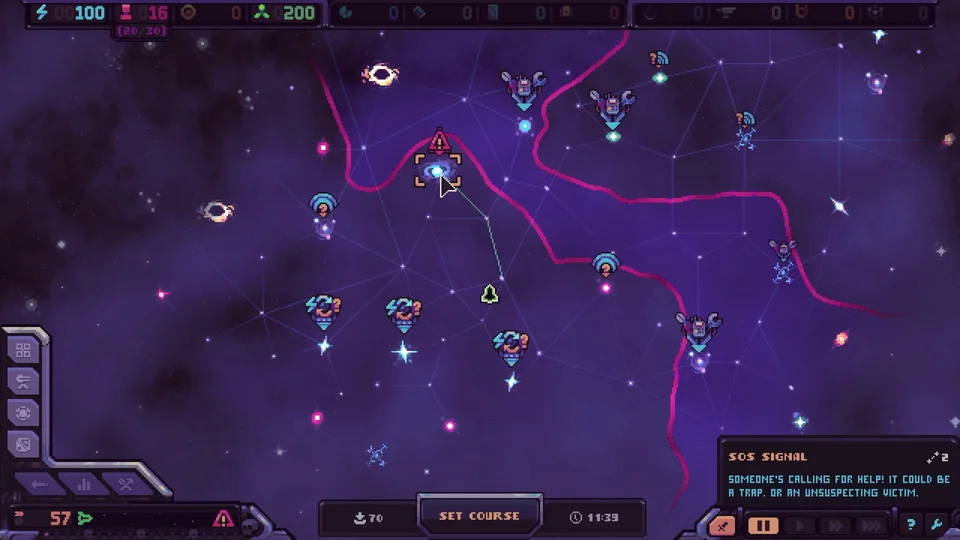
Reading the Galactic Map and Navigating Star Networks
In Hull Rupture, the galaxy map presents essential intermediate goals between defensive encounters. The universe incorporates approximately 15 distinct star classifications, each granting specialized opportunities and resource windfalls. Peripheral stellar sectors remain obscured beneath the fog of war until your vessel moves into sensor range. Common star nodes host random events that award valuable module modifiers, while dedicated Black Market outposts provide guaranteed turret purchases. Plotting an efficient journey prevents navigational bottlenecks, and structural foundations can be reviewed in our hull construction and block layout guide.
Ship Mass Physics, Engine Ratings, and Flight Duration
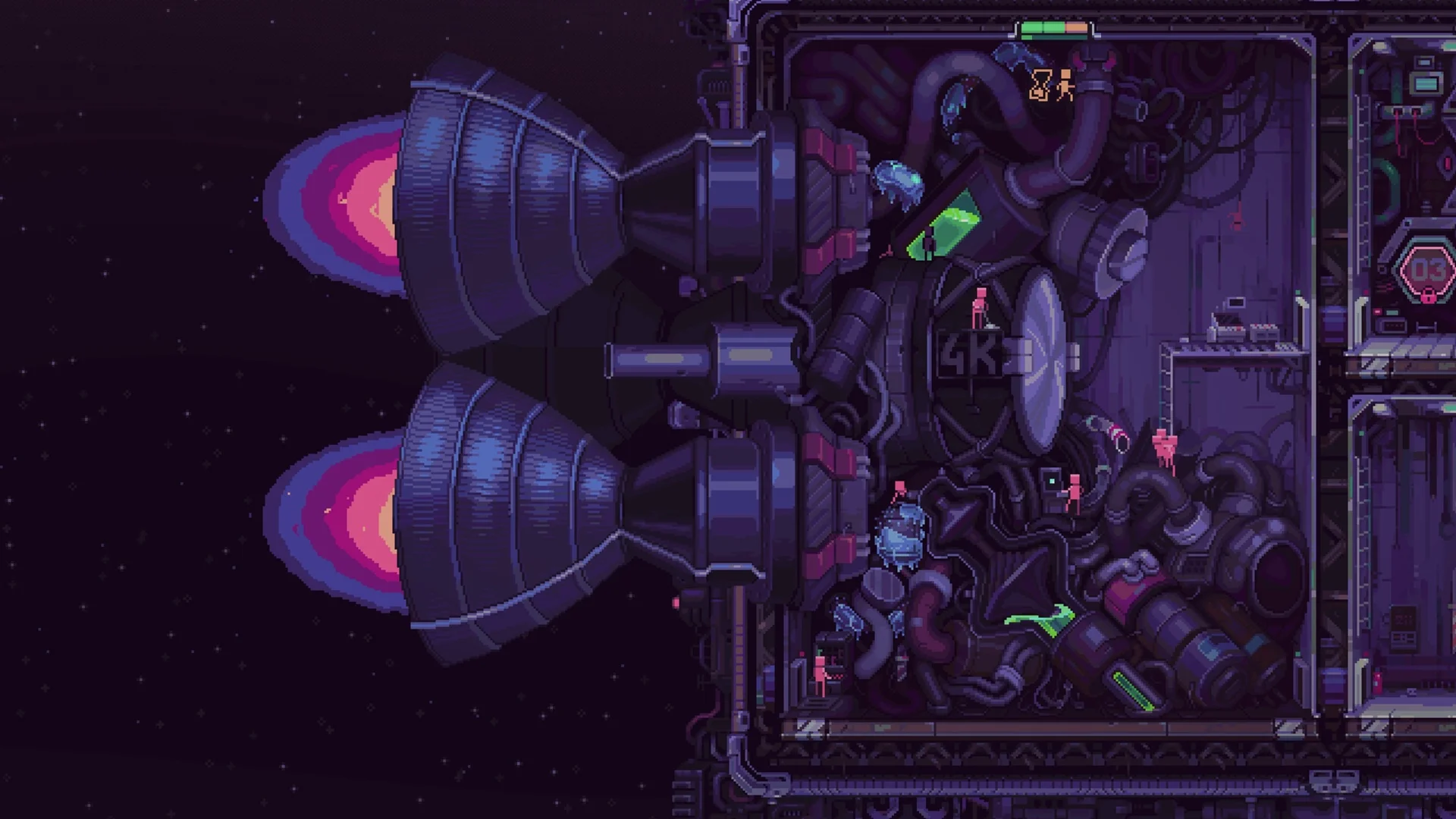
Travel duration across galactic coordinates is directly governed by flight velocity. Vessel speed functions as a balance between total engine output and overall ship mass. As you construct additional compartment blocks, the vessel becomes heavier, extending the travel time required to reach distant orbital destinations. A light hull powered by upgraded thrusters reaches destination nodes rapidly, conserving resources and unlocking more opportunities per run. For introductory tips on maintaining early ship systems, see our beginner survival walkthrough.
Resource Markets, Adamantium Priority, and Wormhole Transit
Long-range expeditions require balancing fuel reserves against engine capacity, as navigating distant stars consumes substantial fuel that must be replenished via black markets, resource trades, or Bioreactor processing. When preparing for escalating enemy invasions, commanders must prioritize sectors yielding Adamantium to assemble higher-tier weaponry. Developers also plan to add wormholes connecting distant star clusters to provide instantaneous transit across unexplored sectors.
Narrative Encounter Choices, Crew Sacrifices, and Modifiers
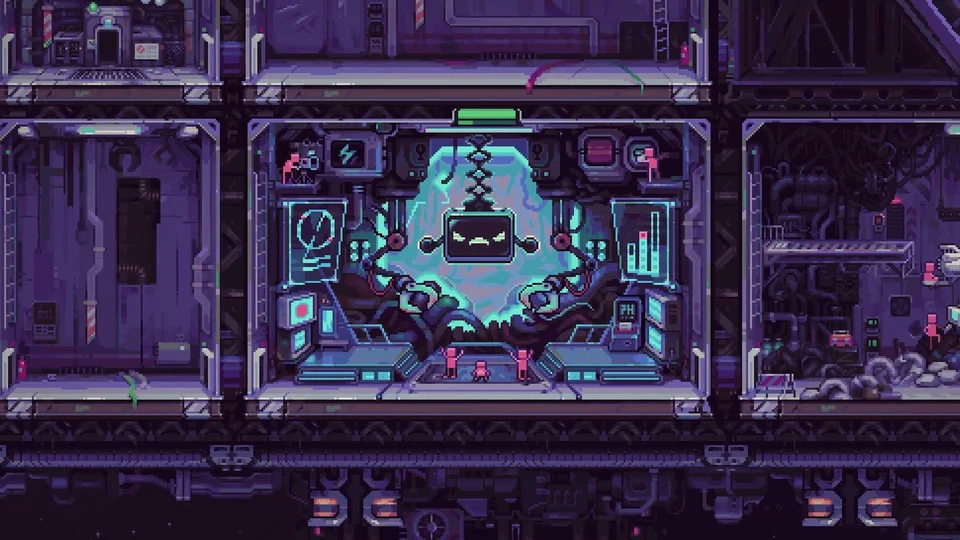
Landing on anomaly destinations triggers branching narrative dilemmas that offer potent module upgrades. Certain event outcomes require sacrificing up to 20 crew personnel, locking choices if previous ship casualties have depleted your human reserve. Installing specialized modifiers permanently alters production cycles, such as boosting Minerals output while maintaining under 10 units of Mystic Goo. Balancing crew headcounts against hazardous mission demands is explored further in our crew resource management guide.
Sources
- Devlog #3 — Galaxy Exploration and Choices
- The Ultimate SPACESHIP Strategy Game! - Hull Rupture — Aliensrock (20260423)
- I Built the Galaxy's Strongest Spaceship in Hull Rupture! — Aliensrock (20261105)
- I have Built The Ultimate Defense - Hull Rupture — Gunther Knows Games (20260430)
- Hull Rupture | Worth Your Time and Money (Overview) — The Scarlet Seeker (20261104)
- Hull Rupture on Steam