Half Sword Beginner Tips for Stamina Management Footwork and Vital Strikes
Surviving the early duels in Half Sword requires disciplined stamina management, targeted head strikes, physical conditioning, and careful weapon preservation.
Managing Health, Stamina, and Consciousness
Every combatant in Half Sword operates with three vital gauges: Health, Stamina, and Consciousness. Health starts at 100 HP and drains rapidly when sustaining bleeding wounds, especially across vital bodily regions. Meanwhile, Stamina starts at 100 and empties when swinging excessively or taking heavy body blows. Carrying heavier armor and heavy weapons increases stamina drain during movement and attacks, so pacing strikes is crucial.
Consciousness also begins at 100 points, tracking your fighter's mental lucidity. Blunt blows or heavy slashes delivered to the head decrease consciousness rapidly, leading to sluggish swing speeds, reduced movement velocity, and impaired balance. Unlike permanent health loss from hemorrhage, consciousness regenerates over time if you defend your head from further impacts.
Targeting Weak Points and Landing Knockouts
Aiming repeatedly at an opponent's armored torso will only produce minor staggers or brief stuns, while exposing your own skull to retaliatory swings. Aside from striking an enemy's crotch with direct kicks, body strikes cannot produce a knockout. Always aim weapon swings directly at the opponent's head, as skull trauma is the only consistent method for knocking adversaries unconscious.
Fighters can also intimidate wounded or disarmed opponents into surrender. Standing over a downed hostile with a weapon pointed at their head and triggering taunts often convinces them to yield without further bloodshed. Taunts deplete stamina and should never be spammed, particularly as opponents at survivable health resist yielding. Pressing F activates Arrow Time to slow combat and counter incoming attacks with precision, though it steadily drains your stamina gauge.
Building Muscle and Strength Progression
Strength proves vital for wielding heavy armaments and carrying protective plate harnesses. The starting strength value depends on your character rank and resets upon losing a run. To build physical muscle, characters must actively burn stamina during combat. Swinging heavy blades, hauling burdensome gear, and brawling with bare fists all stimulate muscle growth.
Gaining character strength remains relatively rapid until reaching 93 kilograms. Beyond this threshold, strength gains slow down considerably. Higher muscle development improves grip resilience, weapon control, and shoving power, allowing duelists to bully opponents in clinch grappling and maintain balance against heavy impacts. Increasing strength raises the displayed Mass value in the tavern inventory. In patch 0.6.1.5, this value displays incorrectly unless you unequip all weapons, clothing, and armor; hovering over Mass and flickering the mouse away and back before items refresh provides a quick workaround to reveal true character weight.
Hub Navigation, Looting, and Weapon Preservation
Between violent clashes, fighters gather inside The Inn, which functions as the primary hub of the game. Here, duelists spend Pfennings—the realm's currency—to purchase armaments, modify armor, or enter sanctioned tournaments. During battle encounters, players can strip armor and loot gear directly from fallen opponents to expand their combat arsenal. Slaying foes brings severe consequences compared to sparing them, as killed enemies populate the Abyss as vengeful souls to challenge your soul if you perish.
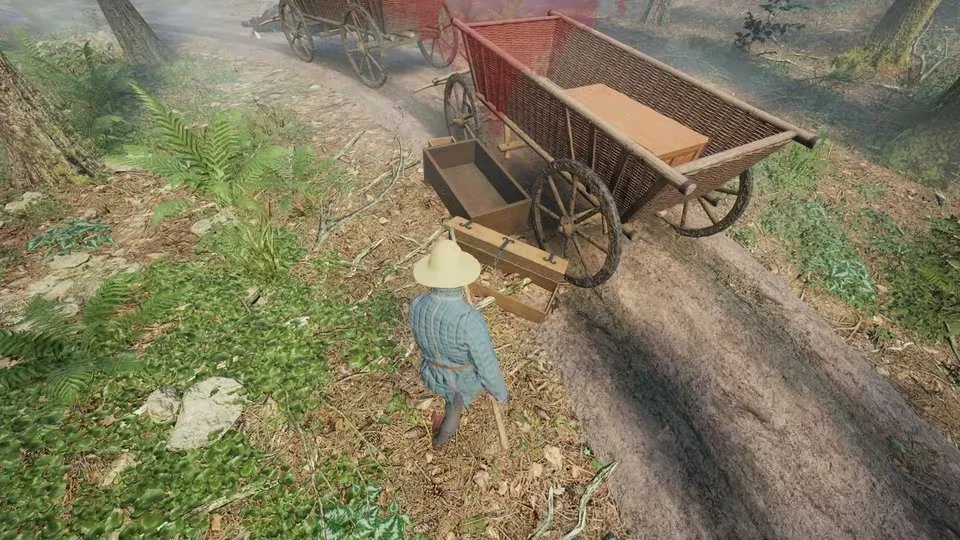
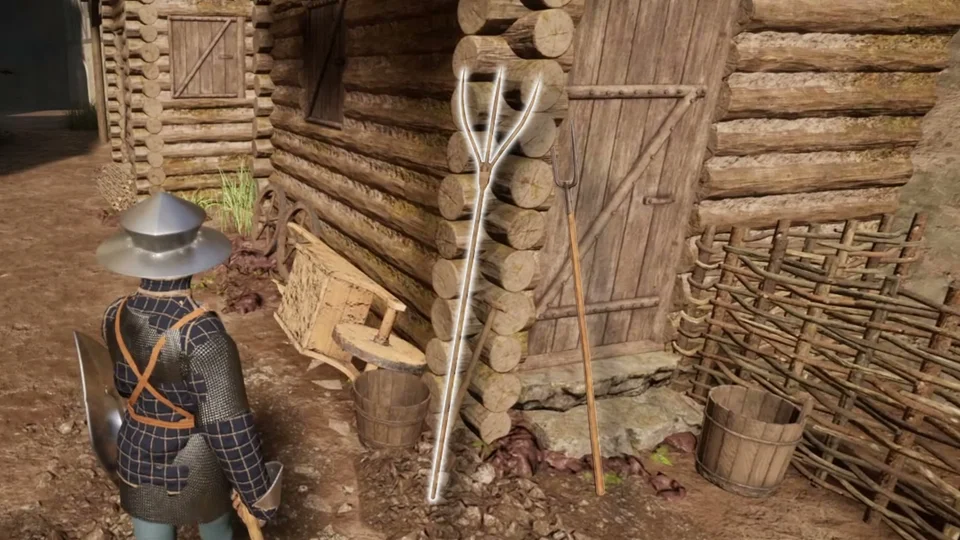
If you drop or lose your weapon during a fight and advance without recovering it, that item is lost permanently unless properly insured. Exploring arena grounds and progression routes reveals valuable armaments, including pitchforks, tables holding flails, rondel daggers, and wagons containing crossbows and quivers to supplement your loadout before tackling higher ranks.