Transport Fever 3 Cargo Logistics Guide: Supply Chains, Freight Terminals, and Line Frequency
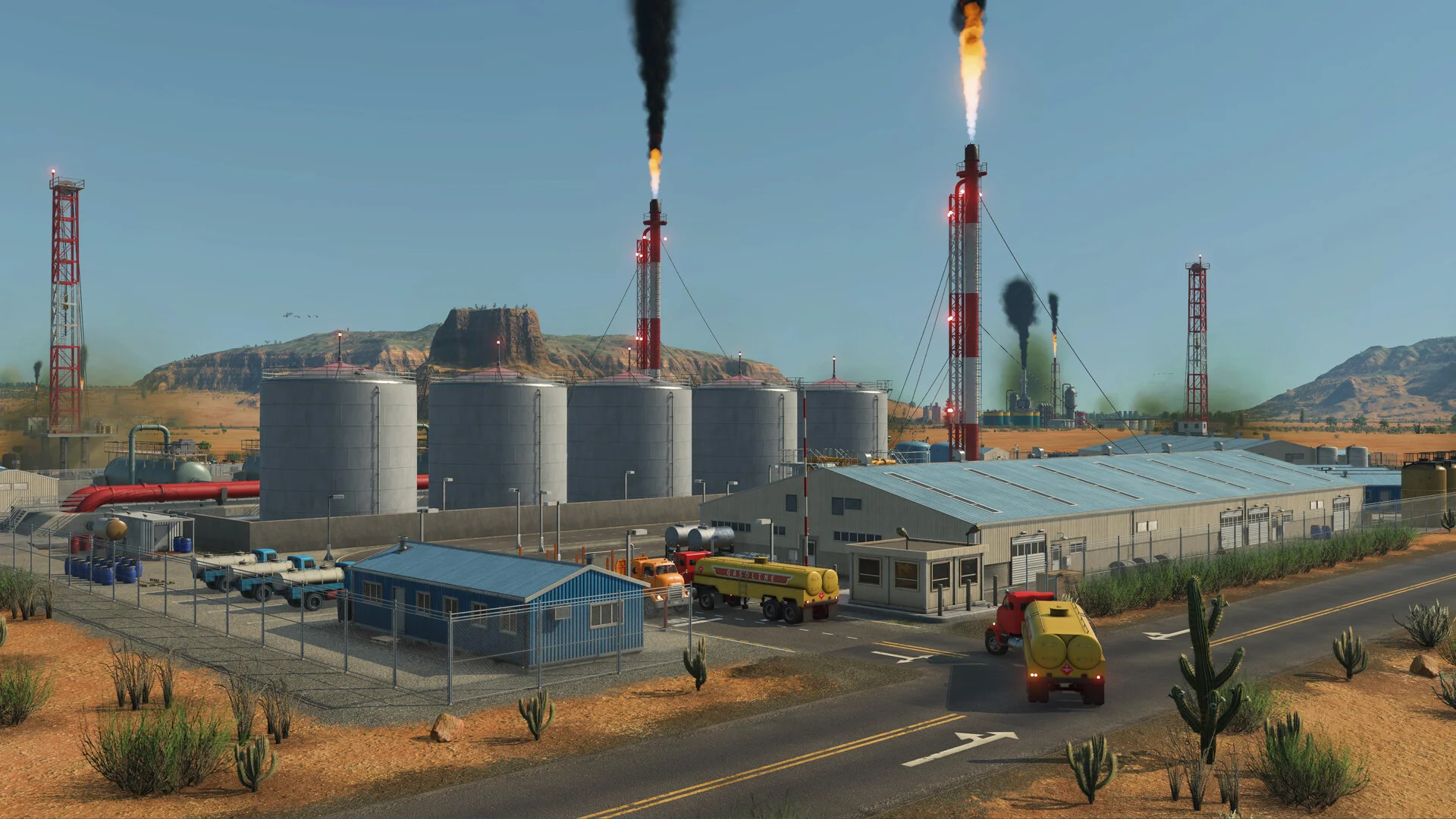
Optimize your freight logistics in Transport Fever 3 by designing complete industrial supply chains, setting up multi-dock terminals, and tuning transport frequency.
Tracing Multi-Step Industrial Production Chains
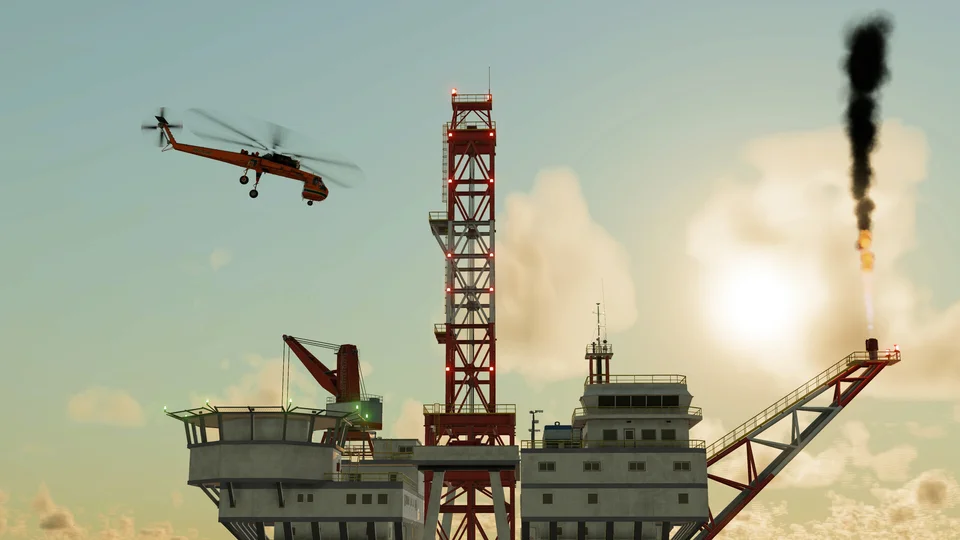
Industrial profitability in Transport Fever 3 requires delivering raw materials through sequential refining stages before distributing finished consumer products to urban centers. Basic extractions like  Crude Oil from an
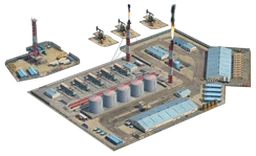 Oil Well must travel to an
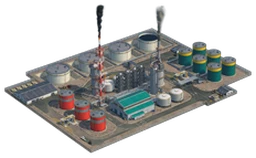 Oil Refinery to manufacture
 Fuel for commercial districts. Similarly, agricultural loops require coordinating deliveries of
 Fertilizer to a
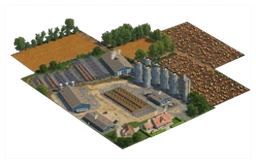 Crop Farm, which boosts harvests of
 Vegetables for city markets. Ignoring intermediate processing stages halts downstream factory output and creates freight bottlenecks.
Configuring Specialized Freight Terminals
Managing several intersecting freight routes requires dedicated facility modularity. Placing a modular  Universal Cargo Station adjacent to shared transit junctions allows simultaneous loading across road haulers and rail platforms without cross-dock congestion. Separate inbound raw delivery bays from outbound refined commodity platforms to keep hauler queues moving freely. Adding extra terminal cargo platforms increases storage capacity, preventing manufacturing facilities from capping production when train arrivals fluctuate.
Balancing Dispatch Frequency and Hauling Capacity
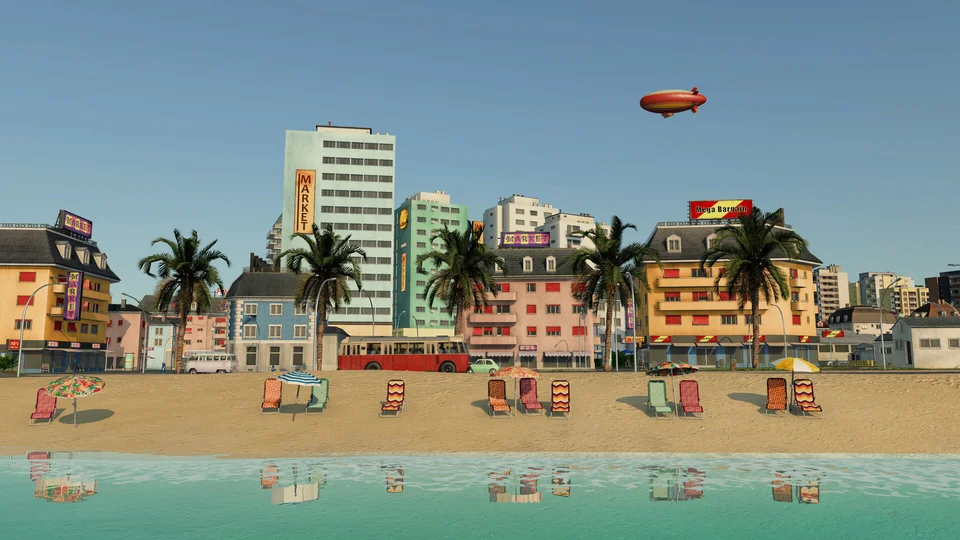
Maintaining a dependable delivery rhythm matters just as much as total freight volume. Large industrial processing plants scale production based on shipment reliability. If intervals between train arrivals stretch too long, supplier stockpiles decay and downstream factories throttle production rates. Running multiple smaller freight trains on  Standard Tracks provides higher service frequency than a single massive consist. For road feeder networks, assign balanced fleets of trucks like the
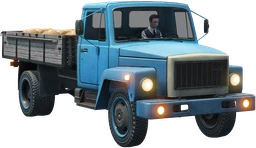 GAZ 3307 to maintain a constant flow between regional railheads and remote industries.
Last-Mile Distribution and Urban Commercial Deliveries
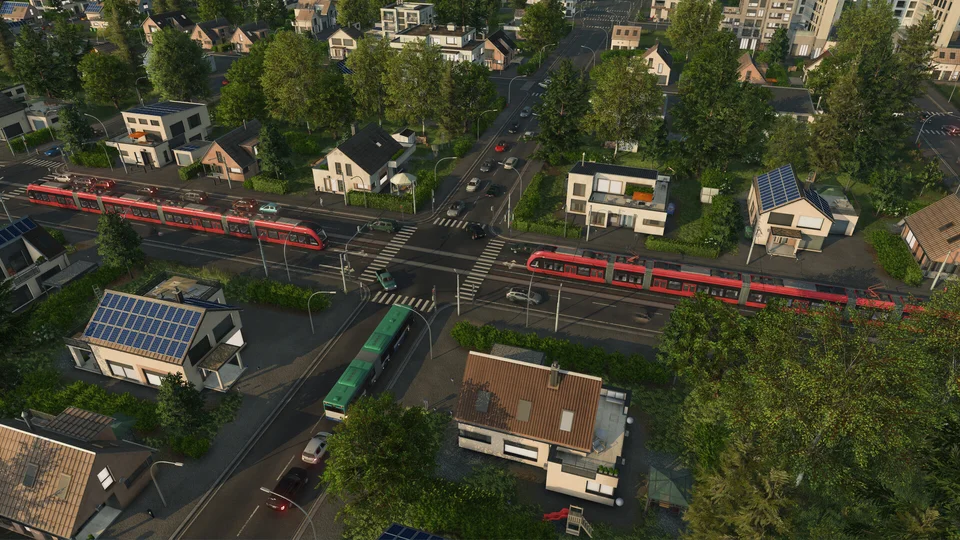
Delivering finished goods into urban commercial zones completes the freight cycle. Construct an outer town 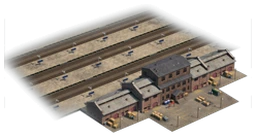 Cargo Station and use designated delivery trucks to transfer finished commodities onto inner city streets. For early transit layouts and commuter network foundations, read our beginner guide. To scale busy freight trunks into high-capacity double-track corridors without line stoppages, consult our railway signaling guide.