Transport Fever 3 Beginner Guide: Starting Rail Routes, Road Depots, and Early Cash Flow
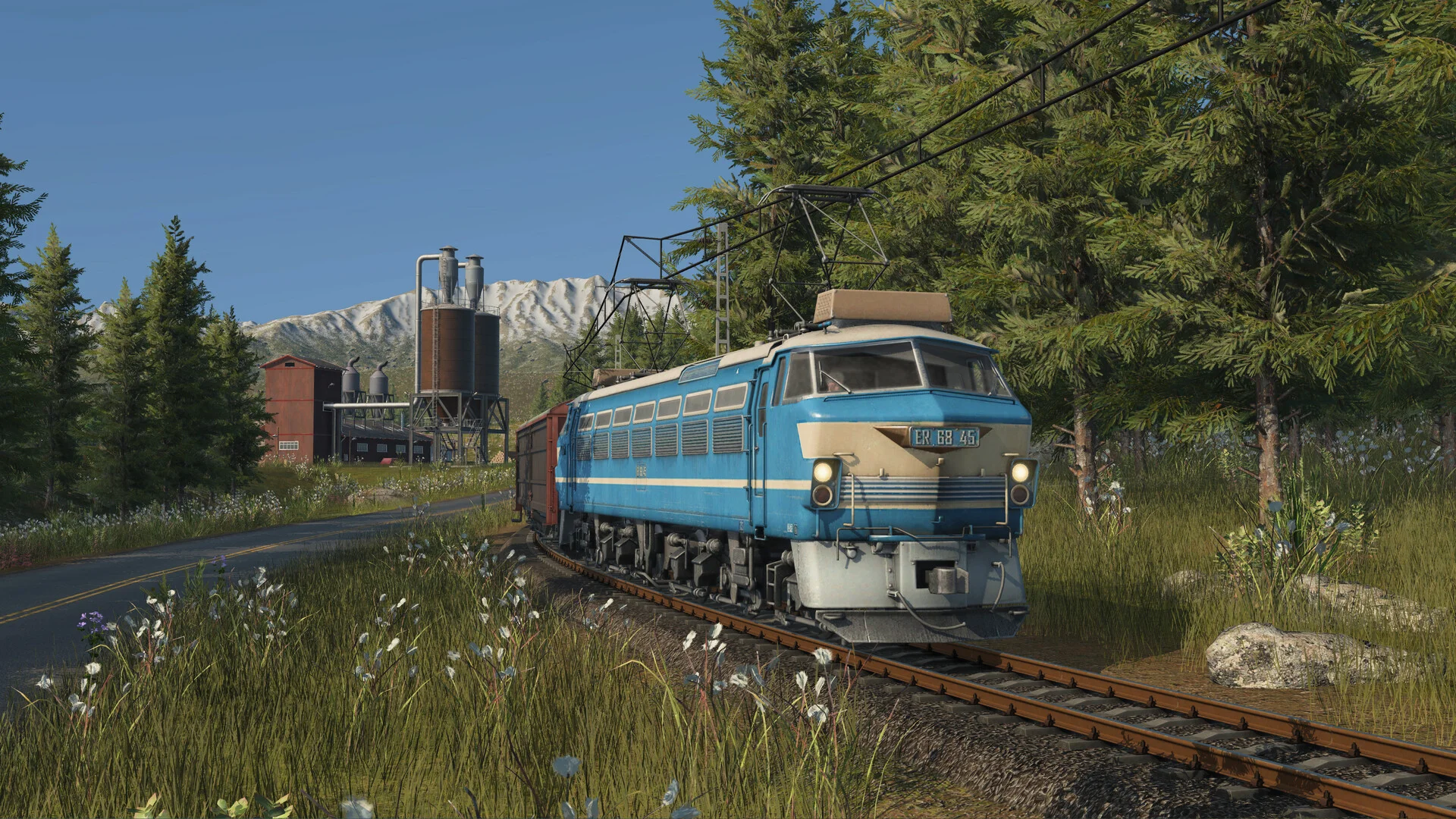
Kickstart your transport empire in Transport Fever 3 by establishing efficient starting rail lines, placing a  Road Depot, and stabilizing early operational cash flow.
Surveying Initial Settlement Corridors
Launching a new campaign requires selecting two nearby towns separated by gentle terrain. Early locomotives struggle against steep track gradients, leading to sluggish speeds and heavy fuel consumption. Connecting flat valley settlements allows your starter trains to maintain momentum and achieve rapid turnarounds between terminals. Prioritize towns with complementary zones, linking residential quarters where commuters live directly to commercial and industrial sectors where they work and shop.
Constructing Central Terminals and Feeder Depots
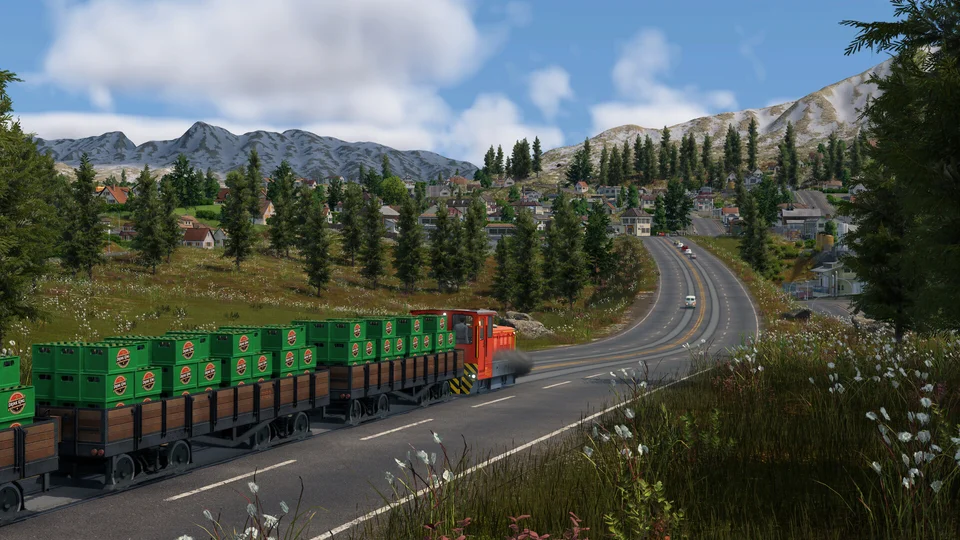
Position a passenger  Train Station close to town boundaries to maximize walking catchment areas without bulldozing valuable city real estate. A standard two-track station configured at 80 m length provides ample platform space for starter train consists while keeping construction capital modest. To connect further neighborhoods, place a Road Depot on a connected
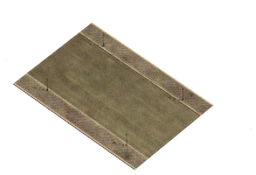 Medium Street and deploy road transit fleets like the
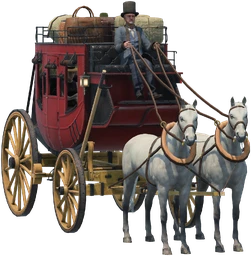 Stagecoach or
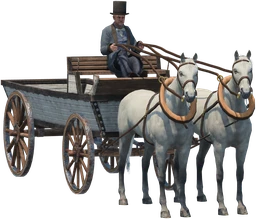 Horse Carriage. Feeder lines pick up citizens across residential suburbs and deliver them straight to the rail platform, guaranteeing steady traveler volume.
Balancing Early Fleet Size and Line Frequency
Profitability in public transport relies on line frequency and full capacity utilization. Dispatching a single 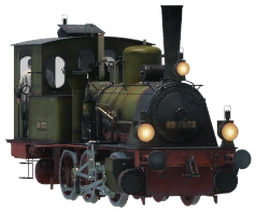 Prussian Class T 3 locomotive hauling two or three coaches keeps maintenance overhead low while your route builds passenger recognition. If waiting crowds overwhelm the terminal, add additional passenger cars before purchasing a second locomotive to prevent line congestion on single-track spans. Connecting river crossings with an economical
 Stone Bridge or
 Steel Bridge ensures direct route alignment between settlement hubs.
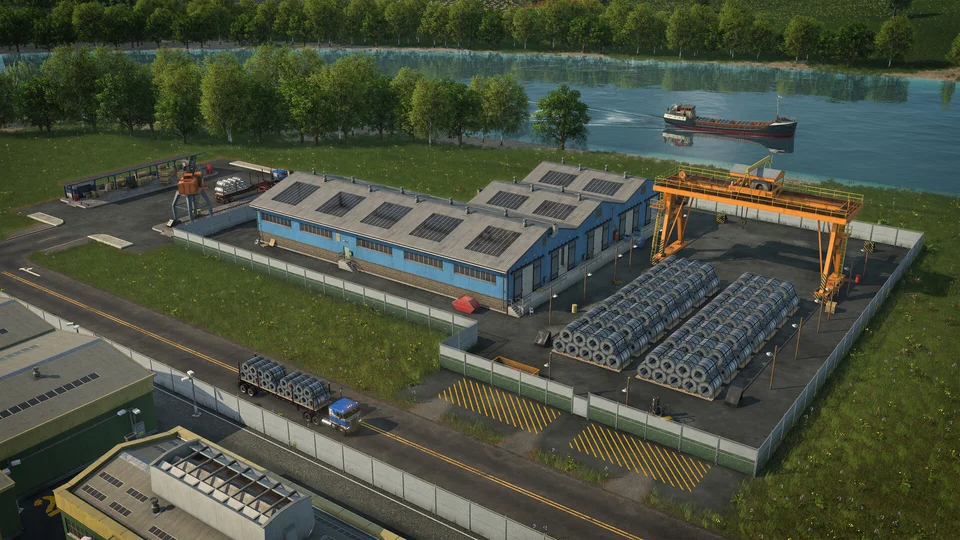
Managing Operational Debt and Scaling Network Expansion
Early operations should focus revenue toward repaying initial loan balances to eliminate compounding interest charges. Once your starter passenger spine produces reliable monthly operating profits, review our cargo logistics guide to tap regional manufacturing chains and freight terminals. When expanding high-density rail corridors, consult our railway signaling guide to configure block signals, bypass passing loops, and high-speed multi-track layouts without traffic gridlock.