CPM 2 Suspension Tuning Guide: Dampers, Camber Angles, Springs, and Handling
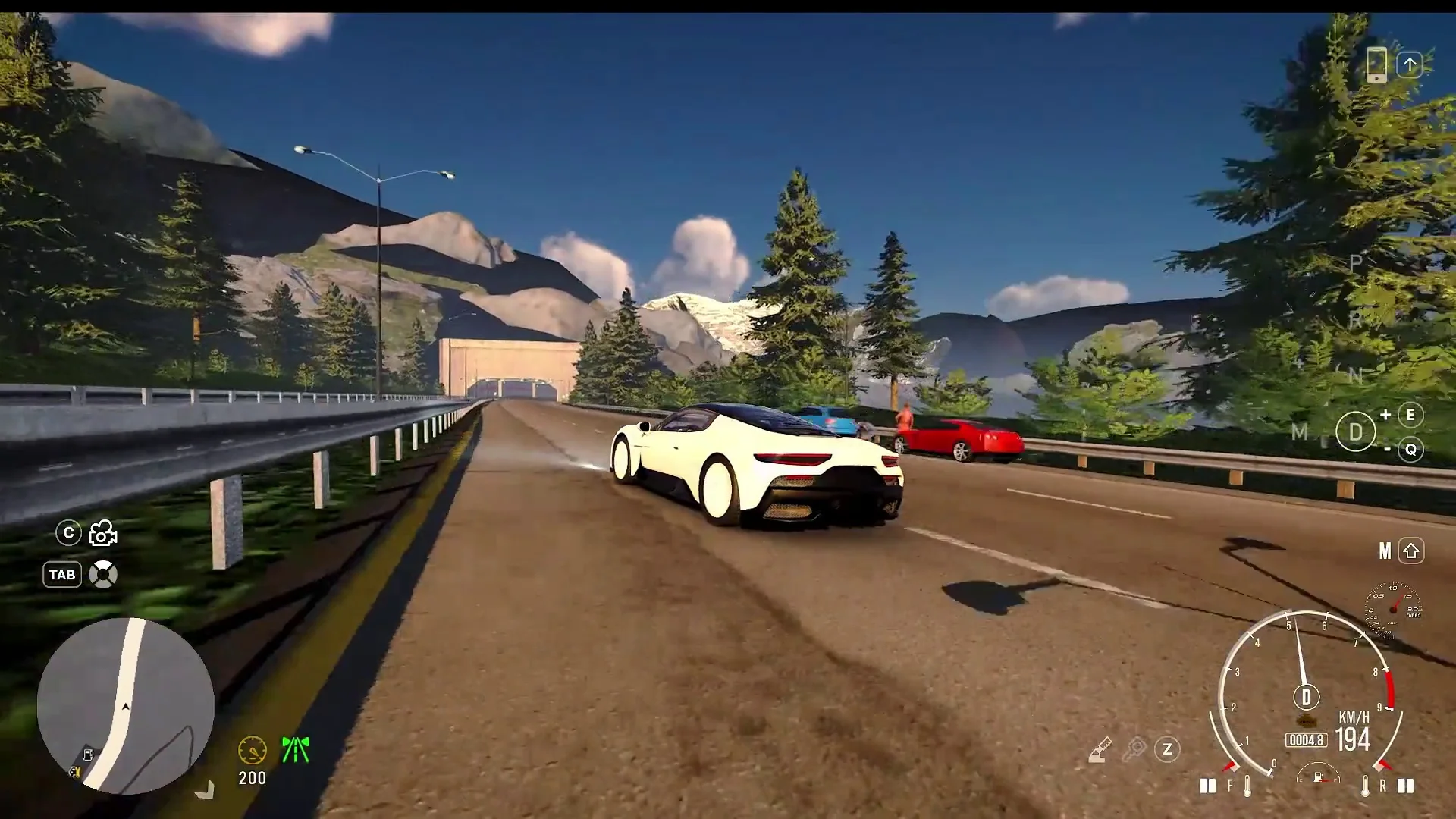
Configuring vehicle suspension in CPM 2 allows drivers to eliminate high-speed instability, control body roll during sharp cornering, and tailor chassis response for road circuits or drifting. Combining proper damper stiffness with adjustments from our gearbox and gear ratio setup guide and vehicle selections from our best starter cars breakdown provides predictable handling across all asphalt surfaces.
Rebound and Bump Damper Stiffness Configuration
Dampers in CPM 2 regulate suspension travel when dropping toward the tarmac or returning to neutral height. Rebound settings control how suspension drops back toward the road surface, divided into fast rebound and slow rebound stiffness. Sliding the adjustment rightward increases stiffness for fast suspension travel, which stabilizes the car during high-speed circuit racing. Sliding leftward softens the setting. Fast rebound manages sudden small bump compressions, whereas slow rebound determines behavior after larger bumps. In parallel, bump settings manage upward suspension retraction. Fast bump stiffness governs high-speed retraction when striking road imperfections, while slow bump controls slower downward movements when descending inclines.
Spring Rates, Ride Height, and Anti-Roll Sway Control
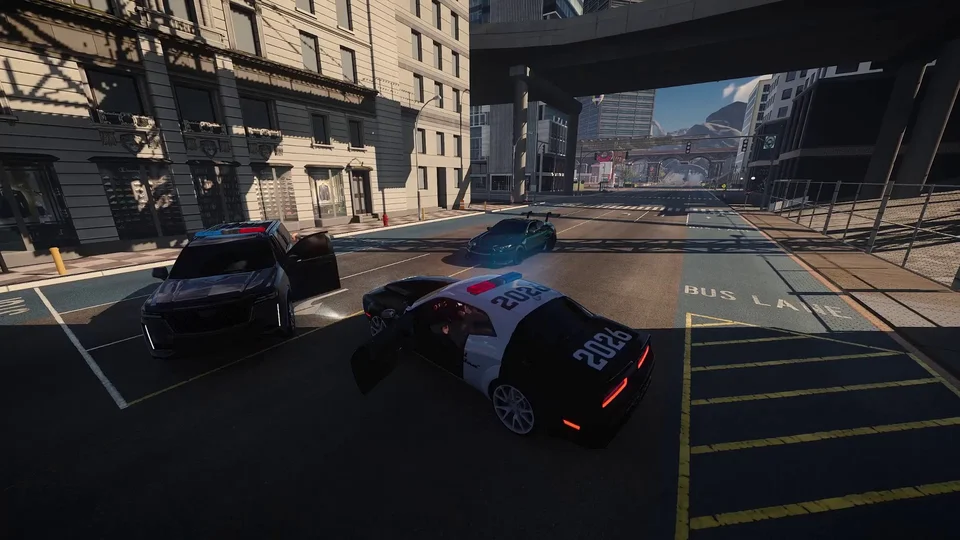
Spring compression controls overall suspension stiffness, where firmer springs elevate vehicle ride height. Track setups benefit from stiffer spring rates to resist chassis flex, whereas off-road setups require softer settings to absorb rough terrain. Luxury vehicles perform well around 70 percent spring firmness. Lowering overall ride height reduces excess suspension play and enhances high-speed stability when paired with flush wheel fitment. Anti-roll bars directly restrict lateral body sway when cornering. If a car leans excessively during aggressive turns, increasing anti-roll bar stiffness keeps the chassis level and stable, while softer sway bars accommodate uneven off-road surfaces. Wheel spacers widen track width to fit widebody kits or prevent tires from protruding too far outward.
Wheel Alignment, Camber, Caster, and Steering Geometry
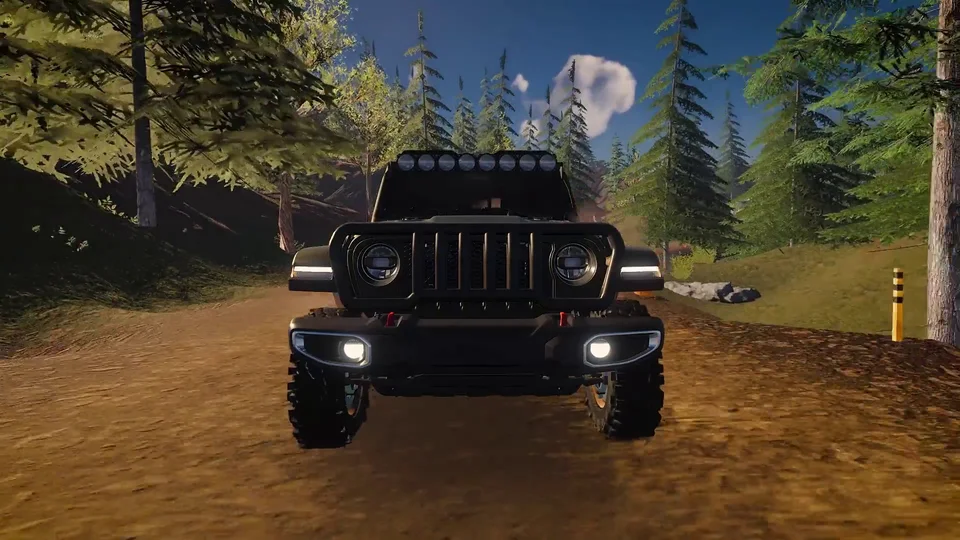
Wheel alignment parameters dictate tire contact patch geometry and steering response under load. Camber alters wheel angle relative to the chassis, providing both aesthetic appeal reminiscent of classic Japanese sport cars and increased cornering grip. Toe adjustment alters straight-line stability; while toe-in improves high-speed straight tracking and toe-out assists low-speed turn-in, retaining stock toe values often prevents unwanted tire scrub. Caster represents the suspension angle between the vertical axis and wheel hub center. Positive caster enhances directional stability at high speeds, whereas negative caster promotes quick steering transitions at lower velocities. Steering angle governs maximum wheel turning lock, which drift builds require maxed out. Adjusting Ackermann steering geometry modifies the turning radius ratio between inner and outer front tires to optimize turn-in precision.
Eliminating Snap Oversteer and Balancing Brake Pistons
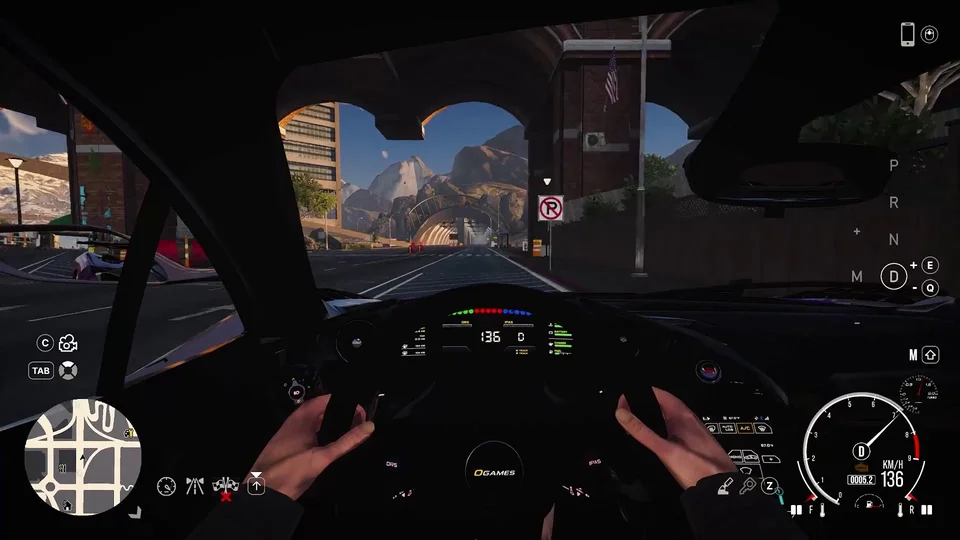
Many stock vehicles exhibit sudden snap oversteer and excessive chassis flex under acceleration or braking. To eliminate unpredictable oversteer, upgrade the transmission clutch and install an electronic differential to stabilize wheel torque delivery. Modifying suspension geometry to induce slight understeer paired with balanced steering angle creates a stable platform for high-horsepower builds. Both front and rear tires must use matching compound widths and semi-slick compounds for track racing. Inspect brake caliper configurations to ensure symmetrical piston count and piston width across both axles. Heavier vehicles require wider brake pistons for smoother deceleration before turns. For tilt control users, placing the brake pedal on the left allows trail braking to sustain momentum while cornering. Consult our PC controls and settings guide for customized control schemes.
All-Wheel Drive Drift Tuning and Driver Assist Toggles
Configuring vehicles for all-wheel drive drifting demands specialized suspension and electronic assistance adjustments. Install a turbo or supercharger to deliver sufficient power, maximize steering angle, and fit suitable touring car rims like R20 wheels. To initiate and maintain consistent power slides, navigate to the vehicle settings menu and disable ABS, ESC, and ESP. Deactivating automatic steering assistance and enabling fast steering turn return gives drivers full manual countersteering authority via controller or keyboard inputs. Pair these settings with upgrades from our best engine swaps guide to sustain wheelspin throughout extended drift lines.
Sources
- Suspension Settings EXPLAINED in Car Parking Multiplayer 2 — XTuneR CPM (20240913)
- Mastering Suspension Settings in Car Parking Multiplayer 2: Ultimate Guide! — A7M (20250130)
- How To TUNE your Car and Reduce OVERSTEER in Car Parking Multiplayer 2 (Settings and Tips) — ItzLegends (20241027)
- BEST AWD DRIFT SETUP in Car Parking Multiplayer 2! Smooth Drifting Tutorial — Game Lovers Pakistan (20261025)