CPM 2 Gearbox and Gear Ratio Tuning Guide: Transmission and Differential Setups
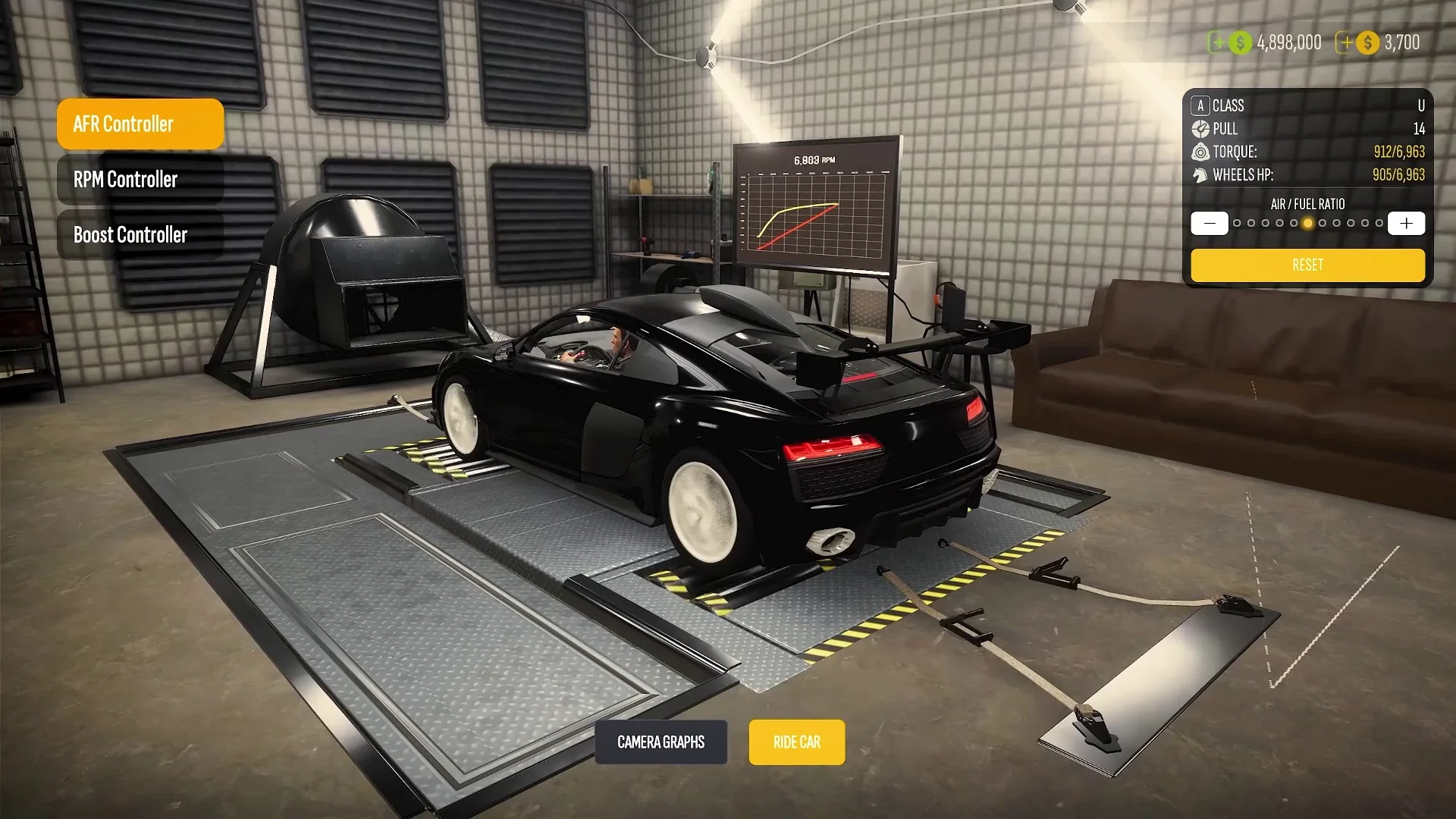
Mastering transmission tuning in CPM 2 requires configuring gearboxes, balancing final drive ratios, and dialing in differential lock settings for optimal speed and control.
Transmission Selection and Drivetrain Configurations
In CPM 2, vehicle tuning begins by selecting the appropriate drivetrain and gearbox layout. When browsing vehicles in the engine market, the specifications display whether a car features an automatic A/T or manual M/T transmission. Drivetrain formats include all-wheel drive (AWD), rear-wheel drive (RWD), four-wheel drive (4WD), and front-wheel drive (FWD). Upgrading the clutch is an essential foundation before adjusting ratios, ensuring reliable torque transfer across high-output builds. Players can also select specialized transmissions like the ZF4 HP20 gearbox to match specific competition requirements, providing a solid platform for straight-line acceleration and competitive motorsport events. Before fine-tuning ratios, review your input layout with our PC controls and settings guide.
Final Drive Ratios and Launch Gear Adjustments
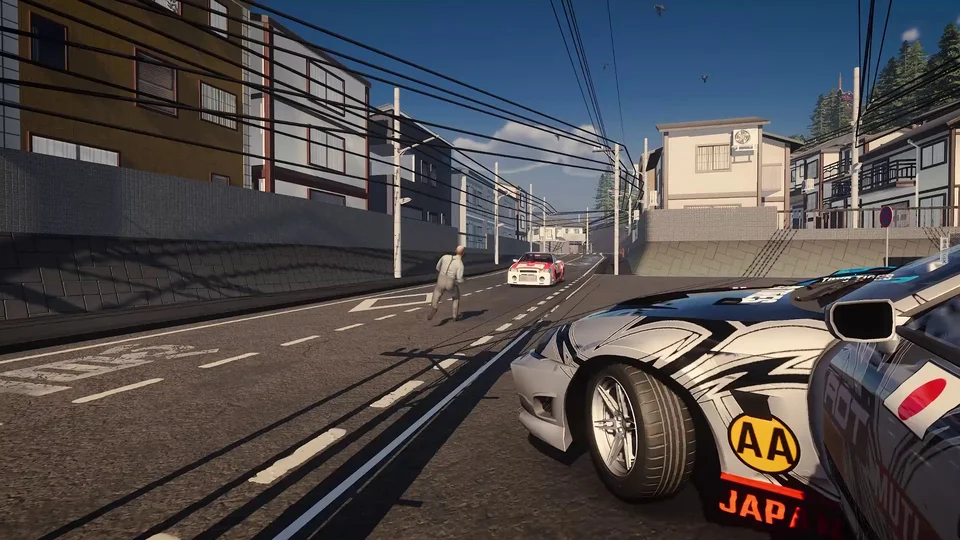
Adjusting the final drive ratio directly governs the trade-off between top speed and acceleration. Moving the final drive slider toward speed lengthens gearing, enabling powerful cars to reach velocity thresholds up to 500 km/h. Conversely, shifting the final drive toward acceleration shortens ratios, generating stronger low-end torque for sluggish vehicles. If a car struggles off the starting line, fine-tuning first gear provides immediate pulling power — our best drag car guide details transmission setups for quarter-mile passes. For high-powered rear-wheel-drive cars that suffer from unwanted wheelspin and drifting, install the lowest final drive gear, adjust the first three gears based on engine output, equip large slick tires, or activate traction control to maintain stability.
Limited Slip Differentials and Lock Percentages
The limited slip differential (LSD) determines how engine power distributes to the drive wheels during cornering and acceleration. Installing a Two-way differential delivers continuous power to both wheels regardless of throttle input, making it well suited for rear-wheel-drive drift setups — pair these differential settings with our recommended builds in the best engine guide. For all-wheel-drive drift or rally configurations, a One-way differential offers sharper turn-in control. Track racing demands maximum traction, which is best achieved using Golden LSD units or electronic differentials. Tuning the differential lock percentage dictates how aggressively wheels lock together: set lock to 80 or 100 percent for drifting, or retain default lock parameters on electronic differentials for stable racing grip.
Torque Split and Oversteer Mitigation
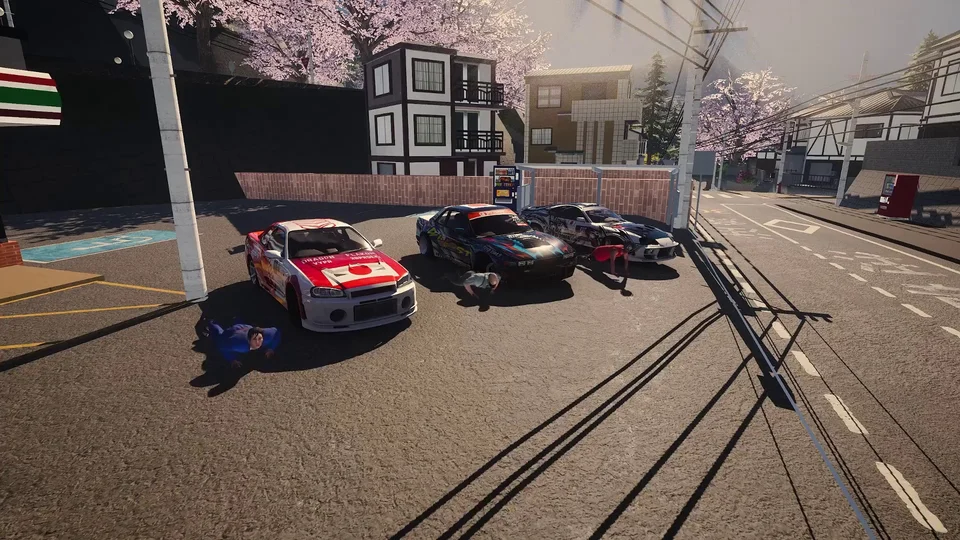
All-wheel-drive vehicles feature dedicated torque split calibration, allowing drivers to customize front and rear power distribution. Setting an all-wheel-drive torque balance to a 70/30 distribution prevents erratic corner entry spins and keeps high-powered platforms composed through tight transitions. Drivers can further mitigate sudden snap oversteer by pairing an upgraded clutch with an electronic differential and adjusting steering angle to counterbalance chassis rotation. Ensure tire pressure and sizing remain identical on both sides, run semi-slick rubber for track events, and balance braking balance with higher front bias to maximize cornering precision.
Sources
- The Ultimate Gearbox Fix for Speed, Torque & Control in CPM2 🎯 — A7M (20251206)
- Car Parking Multiplayer 2 Tuning Guide — CPMbacon (20260422)
- How To TUNE your Car and Reduce OVERSTEER in Car Parking Multiplayer 2 (Settings and Tips) — ItzLegends (20241027)
- FORD HOONICORN FASTEST DRAG TUNING SETUP AND GEARBOX CONFIGURATIONS IN CAR PARKING MULTIPLAYER 2 — Verge Gaming (20250411)