Probably Stolen: How to Buy the Shop and Beat Rent

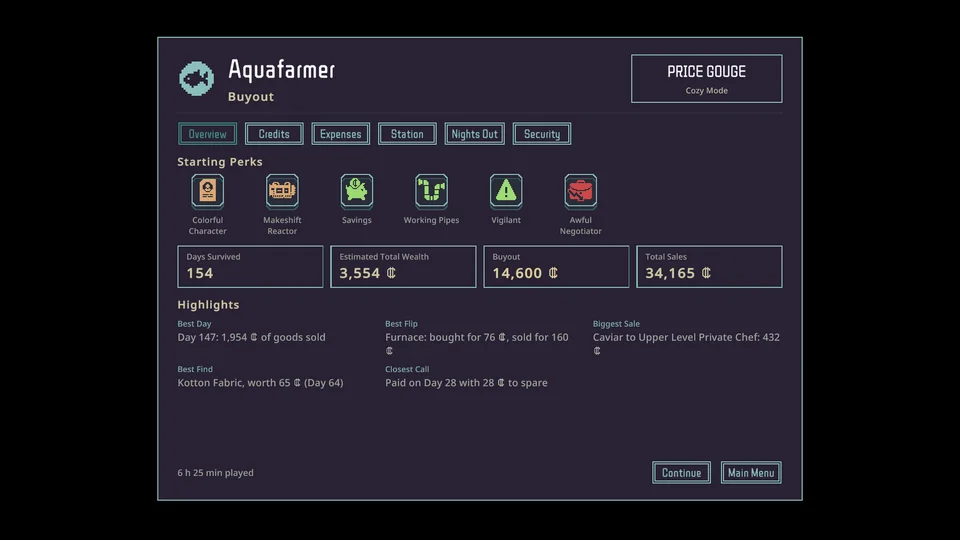
Surviving escalating weekly rent is the primary financial test in Probably Stolen. By building passive income machines, cutting recurring insurance expenses, and rejecting predatory landlord contracts, you can save the 14,400 to 15,100 credits needed to sign the shop deed outright.
Weekly Rent Schedules and Difficulty Scaling
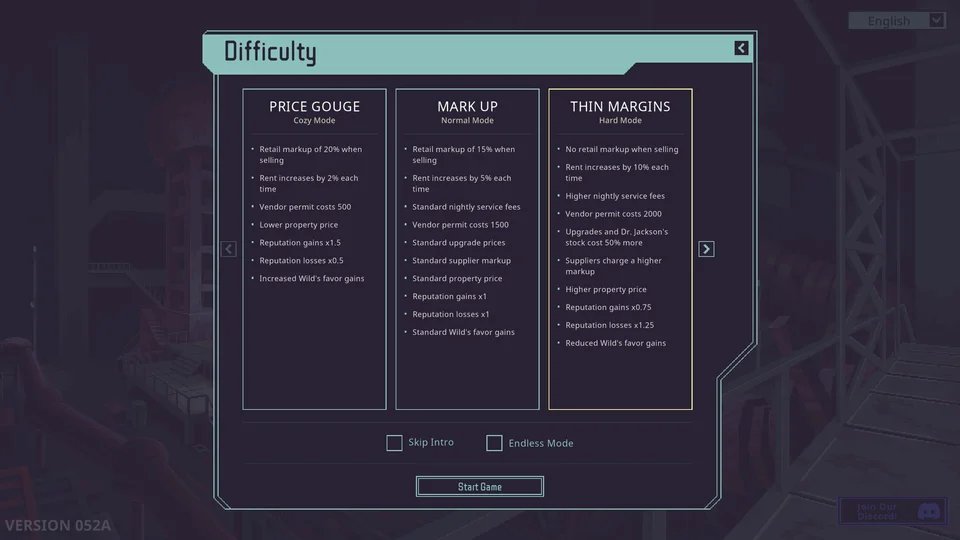
Running an underground shop in Probably Stolen revolves around surviving a landlord who raises the rent every week until you can buy the shop outright. On your counter HUD, track your current money, the day number, and when rent is due. Base weekly rent starts at 200 credits, though selecting the bad lease flaw at the start of a run increases starting rent by 40 credits. On standard difficulty, weekly rent increases by 4.5% each week. On hard mode, you lose the standard 15% retail markup when selling, and rent increases by 10% every week alongside a higher property price and pricier stock upgrades from Jackson.
Always keep 200 credits in reserve for your first rent deadline even while investing starting funds—such as taking 300 credits with bit security reputation—into early money engines. If you fall short when rent is due, the merchant in black will buy almost anything in your inventory, though he demands a 15% discount.
Building Passive Income and Crossing Property Value Thresholds
During early nights, you can leave the store to scavenge free junk at the dumping grounds, though going out at night causes you to open the store late the next morning and miss out on one customer. To scale past manual scavenging, set up passive production machines. Setting up three purifiers per our water purification guide generates three bottles a day that sell for 50 credits each, bringing in 150 credits daily while you keep an eye on upcoming rent bills. Pairing just one oyster farm with two water purifiers is enough to cross the early property value thresholds.
Use your display case before starting each day to show what specializations and wares you offer or want to buy. To draw larger crowds, pay for the janitorial service to keep the store appealing and buy every available coat of paint during renovations to raise base attractiveness and bring in up to 14 people a day.
Cutting Overhead Costs: Security, Insurance, and Landlord Traps
Controlling daily expenses is just as important as raising revenue. You should start buying insurance from day 4 onwards so thieves do not steal your stock. However, to stop paying recurring insurance fees, hold onto a performance module and install a security system with 49 performance as your next major shop upgrade.
Watch out for bad deals offered by your landlord. While you can install your own vending machines that keep selling overnight after you close, accepting the landlord's offer to place a water vending machine in front of your store tacks on a 150 credit weekly rent increase and pays out only 39 credits for nearly half a jug of water—far less than selling it yourself.
Declining the Mortgage Loan and Buying the Deed Outright
Once your cash reserves climb into the thousands, the landlord will pitch a financing plan to buy the shop. The loan terms require a 2,000 credit down payment, carry a 50% yearly interest rate, and lock you into paying 1,153 credits every week for 12 weeks. Decline this predatory offer and choose to save up for a direct buyout instead.
The base property value sits at 14,400 credits, though late-game adjustments can push the final buyout price to 15,100 credits. Accumulate at least 15,500 credits by halting non-essential purchases and selling high-margin goods like Master Vintage wine, luxury meat from rat ranching, and purified water. When the landlord visits, pay the 14,400 to 15,100 credit buyout price in full to sign the deed, permanently eliminating weekly rent while letting you continue playing free and clear.