Moon Sweepers Beginner Guide: Lunar Surface Division Debris Clearing and Starter Tools

Beginning a shift for the Lunar Surface Division in Moon Sweepers requires methodical regolith clearing, disciplined manual tool progression, container management, and coordinated collector deposits.
Clocking In at the Lunar Surface Division
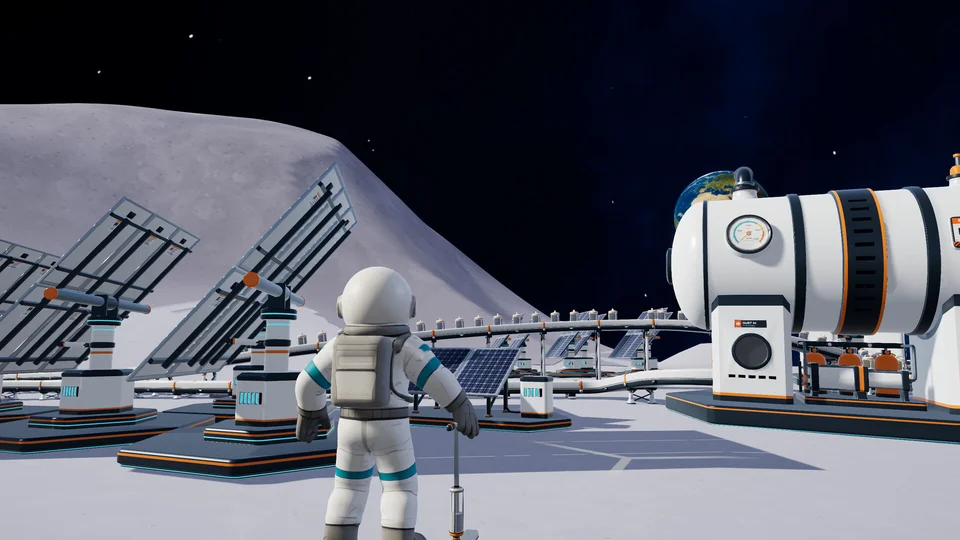
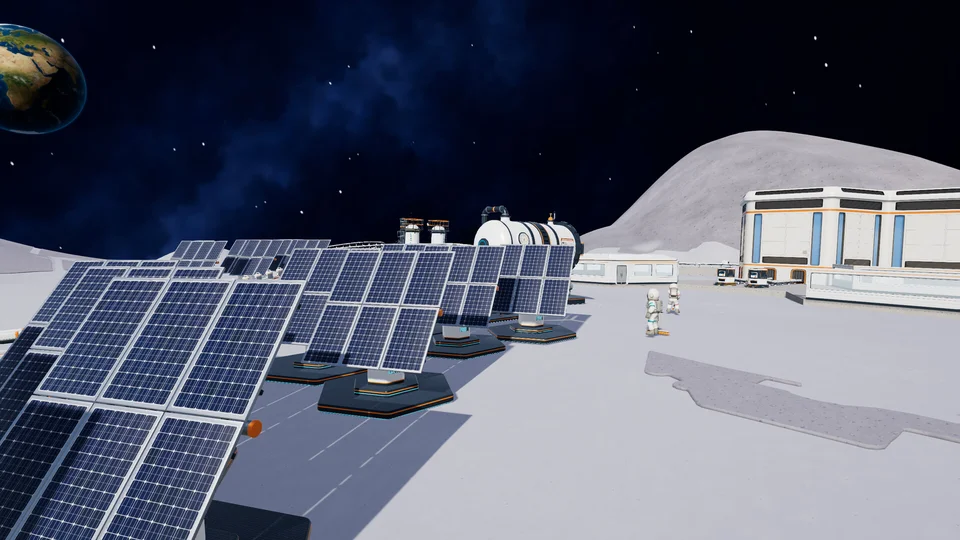
Upon landing on the lunar surface, players report to the station terminal to sign into duty. The mission tasked to the division involves cleaning over 163,000 hexagonal sectors covering the Moon. Every operative begins with zero credits and a single standard-issue Toothbrush. While the scope of planetary maintenance appears daunting, early shifts emphasize clearing the immediate perimeter surrounding the central station pad to establish unobstructed pathways for subsequent mechanical equipment.
Low lunar gravity alters standard foot locomotion. Astronauts move at brisk walking speeds across cleared concrete foundations but face prolonged float times when jumping. Staying grounded ensures steady broom contact against dust drifts, maximizing the cleaning removal rate across every meter traveled.
Manual Starter Tool Upgrades and Container Limits
Starter tools differ primarily in their effective cleaning swath and internal container volume. The complimentary Toothbrush provides an entry cleaning width of 0.12 m and holds just 0.5 kg of regolith before requiring emptying. Selling your initial collected dust quickly generates the funds necessary to purchase wider manual sweeping implements from the tool depot.
| Tool | Price | Cleaning Width | Container Capacity | Reach |
|---|---|---|---|---|
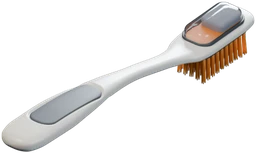 Toothbrush |
$0 | 0.12 m | 0.5 kg | 5.5 m |
 Nail brush |
$5 | 0.19 m | 0.75 kg | 5.5 m |
 Hand brush |
$10 | 0.25 m | 1.0 kg | 5.5 m |
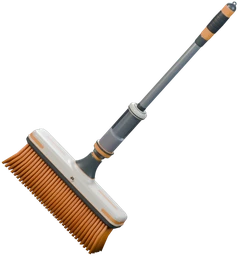 Household broom |
$25 | 0.44 m | 3.0 kg | 5.5 m |
 Wide broom |
$75 | 0.66 m | 6.0 kg | 5.5 m |
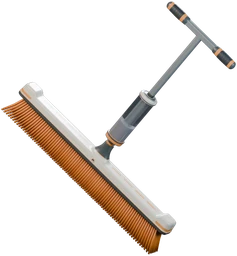 Extra wide broom |
$150 | 0.99 m | 12.0 kg | 5.5 m |
Progressing from the Nail brush directly to the Household broom represents the most impactful early efficiency jump. Quadrupling container capacity to 3.0 kg cuts down transit trips back to the collector intake while expanding your sweep path to 0.44 m per stroke. Once bank balances reach $150, acquiring the Extra wide broom yields an impressive 0.99 m cleaning width and 12.0 kg internal hopper, enabling entire sub-sectors to be swept in minutes.
Regolith Sweeping Technique and Canister Logistics
To maximize sweeping efficiency, operators should walk in continuous straight rows rather than sweeping in erratic circles. Aligning your brush stroke parallel with sector boundary lines ensures complete edge-to-edge coverage. When working in co-op crews of up to 16 operatives, stagger teammates along adjacent lanes so secondary sweepers catch residual gray dust particles scattered by lead brooms.
When sweeping away from station structures, monitor your tool capacity gauge closely. As internal containers reach maximum payload, tools can pack the compressed dust into freestanding canisters dropped at your boots. Rather than making solo return trips for each individual container, stage packed canisters along central transit corridors. Upgrading suit quick slots through  Tool Belt research allows operators to carry auxiliary brooms simultaneously, effectively stacking personal carry limits up to 36 kg per run.

Collector Station Deposits and Next Milestones
Transport gathered canisters back to the primary base facility and empty them directly into the dust intake chute. The station calculates payout based on gross regolith weight, feeding launch credits into your team balance. Early capital should be reinvested immediately into base infrastructure and tool upgrades rather than hoarded.
After mastering basic manual brooms, players should unlock the 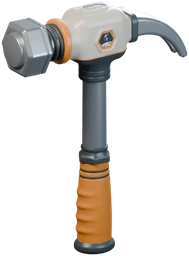 Building tool for $50 to erect catwalk pathways, then transition into mechanized cleaning platforms like the
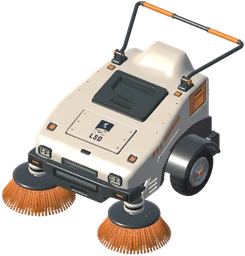 Push sweeper, explored in detail throughout our sweeper vehicles and upgrades guide. For broader planetary logistics, contract multipliers, and historic exploration milestones, consult our comprehensive lunar landmarks and contracts progression guide. Detailed equipment parameters can also be referenced directly in the Tools Database.