HANDS OVER Action Cards Guide Explaining Trap Sabotage Save and Mimic
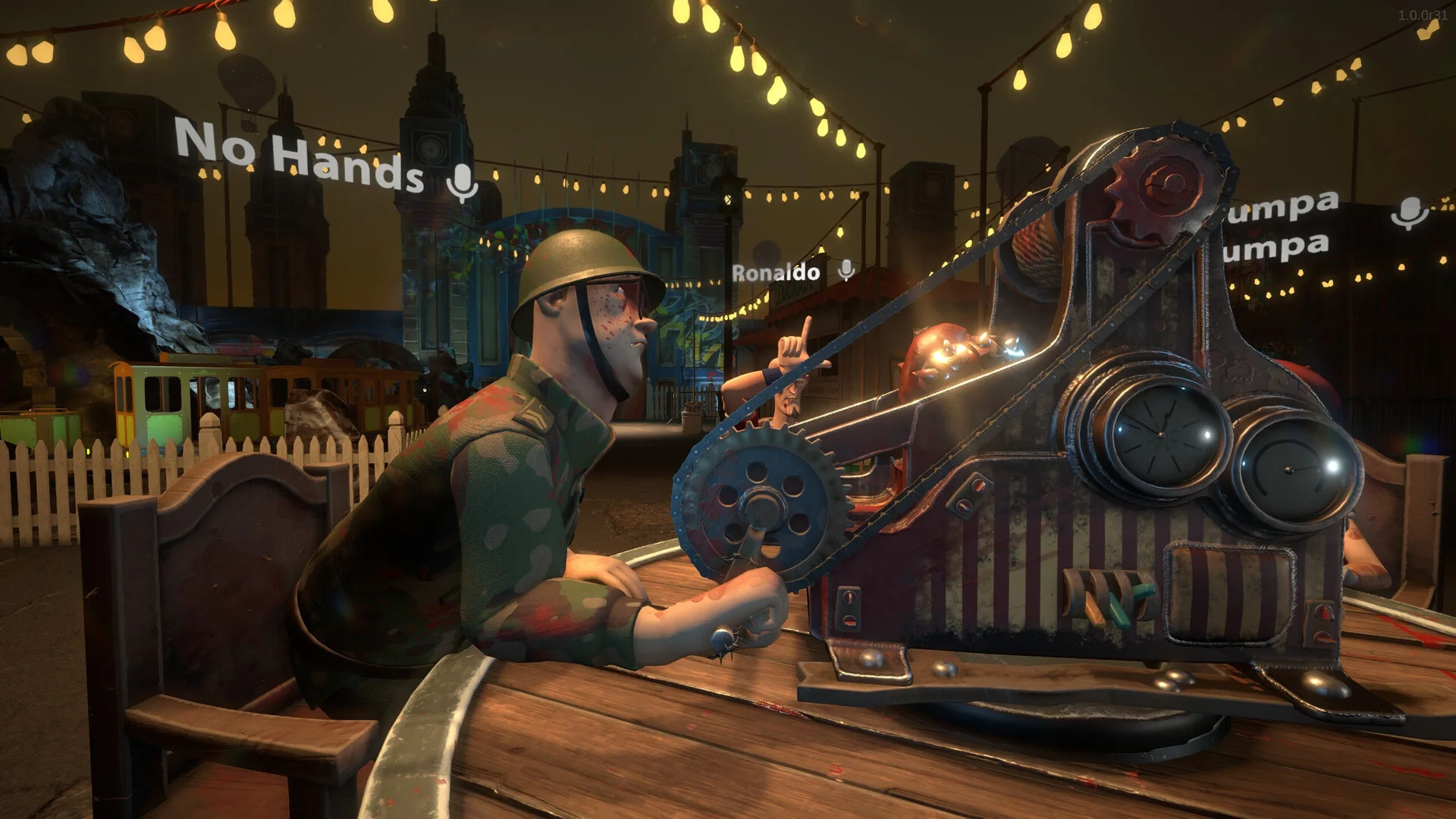
Mastering action cards in HANDS OVER separates survivors from casualties — giving contestants the tools to neutralize lethal traps, bypass dangerous buttons, and force rivals into devastating traps as outlined in our beginner survival guide.
Card Classification and Operational Mechanics
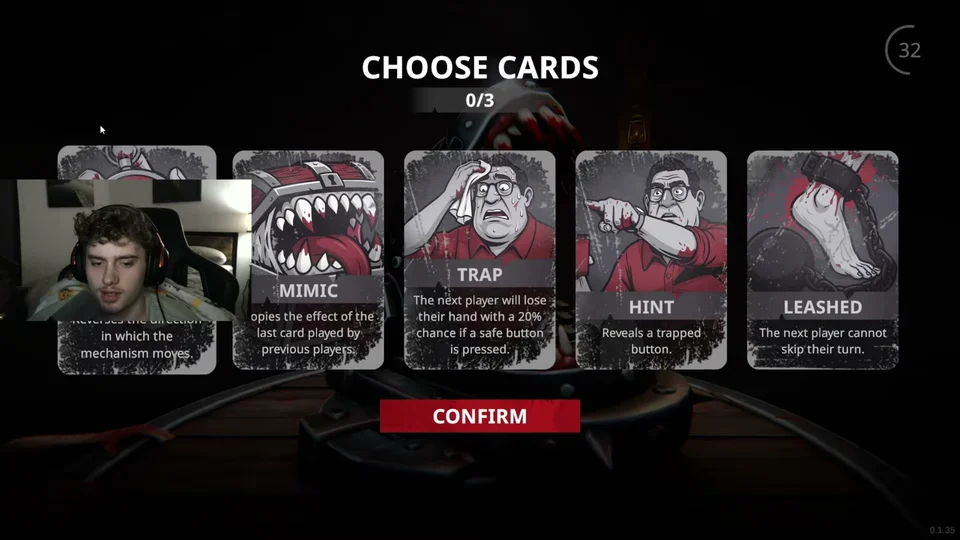
In HANDS OVER, players draw action cards that offer immediate tactical solutions during their turn. Because every card is consumed upon activation, timing their deployment is paramount. Cards fall into four operational categories: Intel, Defense, Disruption, and Turn Control. Review the full card breakdown below:
| Card Name | Classification | Card Effect and Table Impact |
|---|---|---|
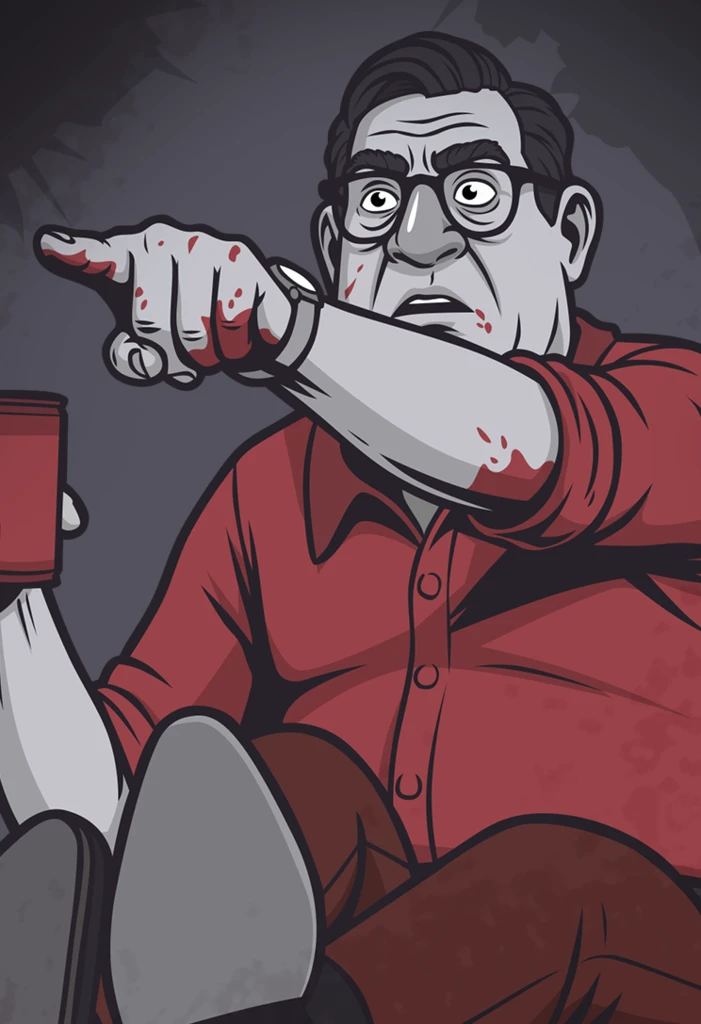 Hint | Intel | Reveals the status of a button, exposing if it is rigged |
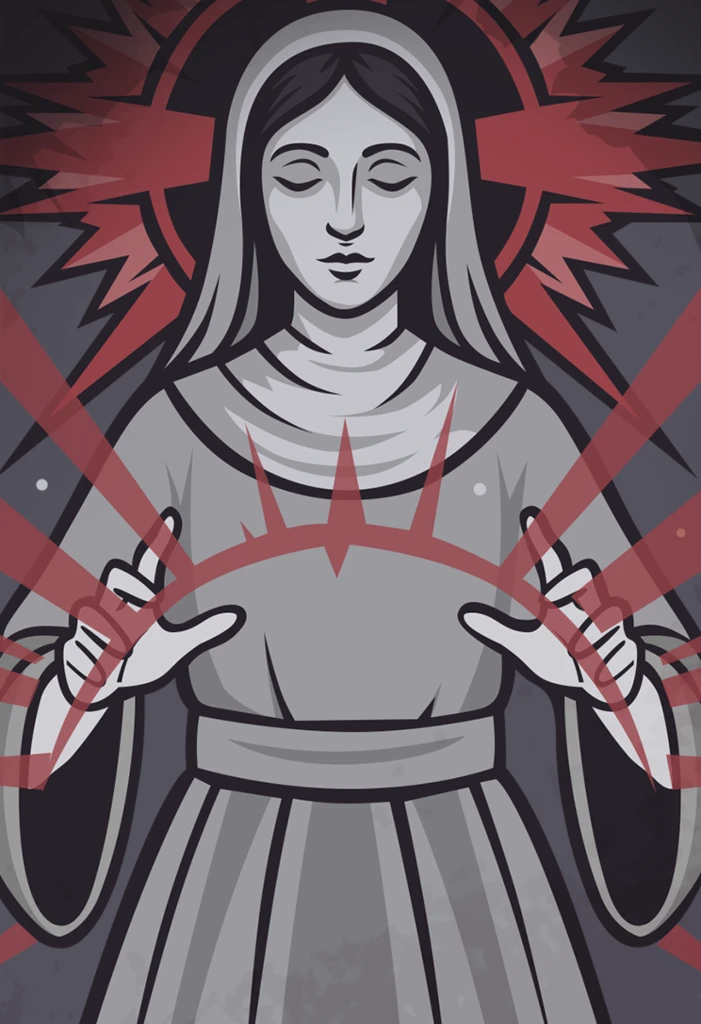 Save | Defense | Jams the jaw mechanism if a rigged button is pressed, preserving your hand |
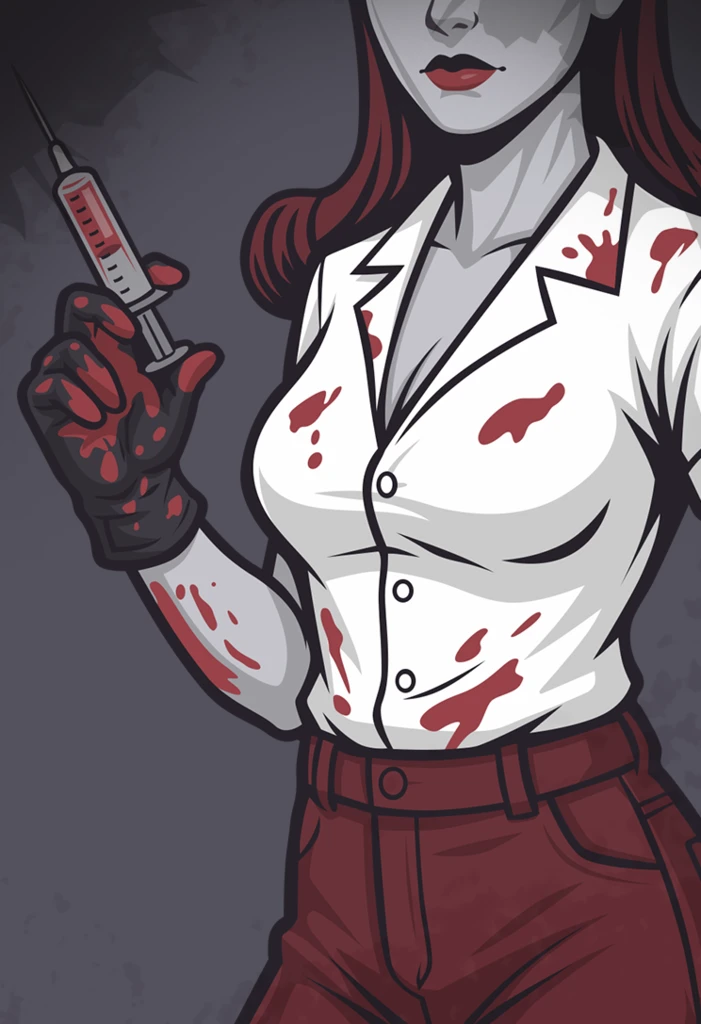 Cleanse | Defense | Removes rigged cards and negative modifiers from your hand |
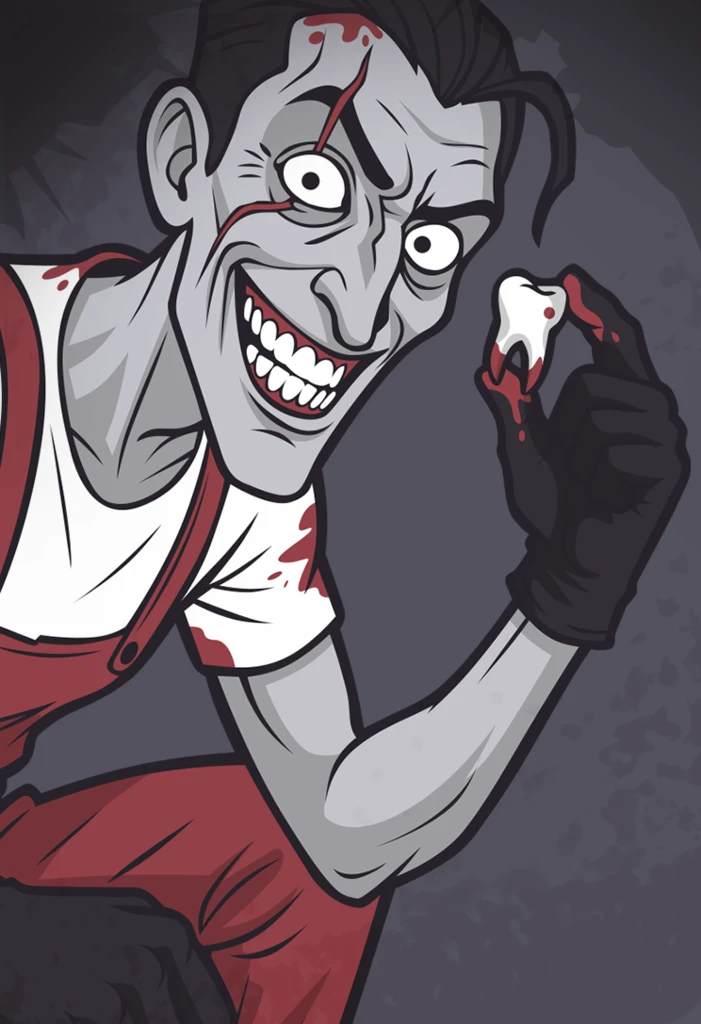 Sabotage | Disruption | Adds another dangerous button to the central mechanism |
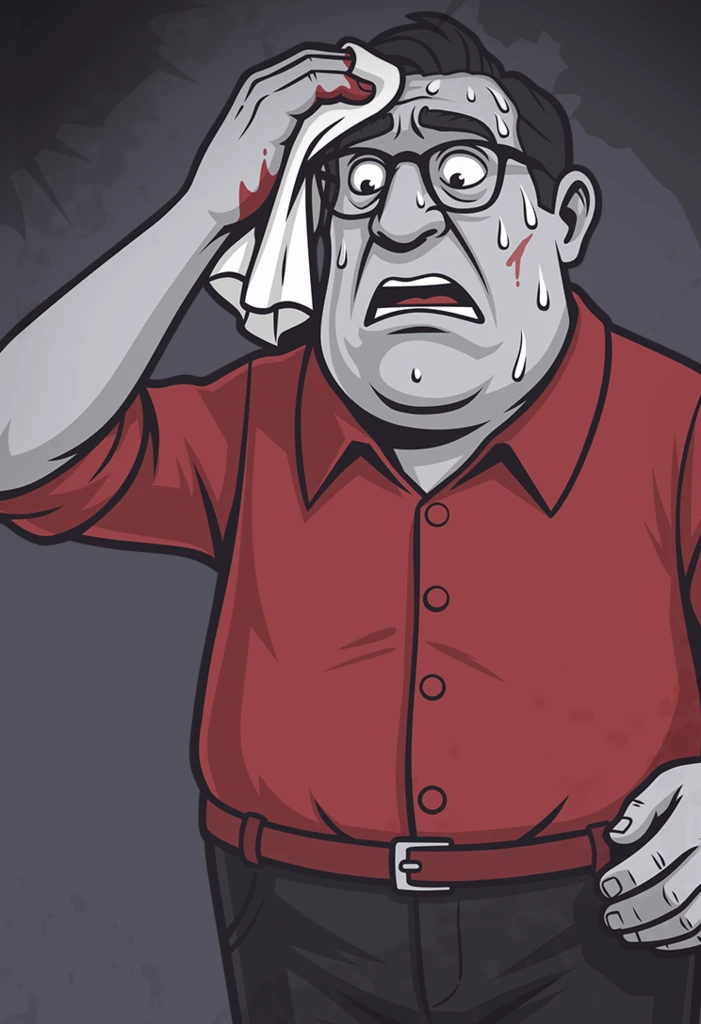 Trap | Disruption | Forces the next contestant to face a 20% chance of limb loss |
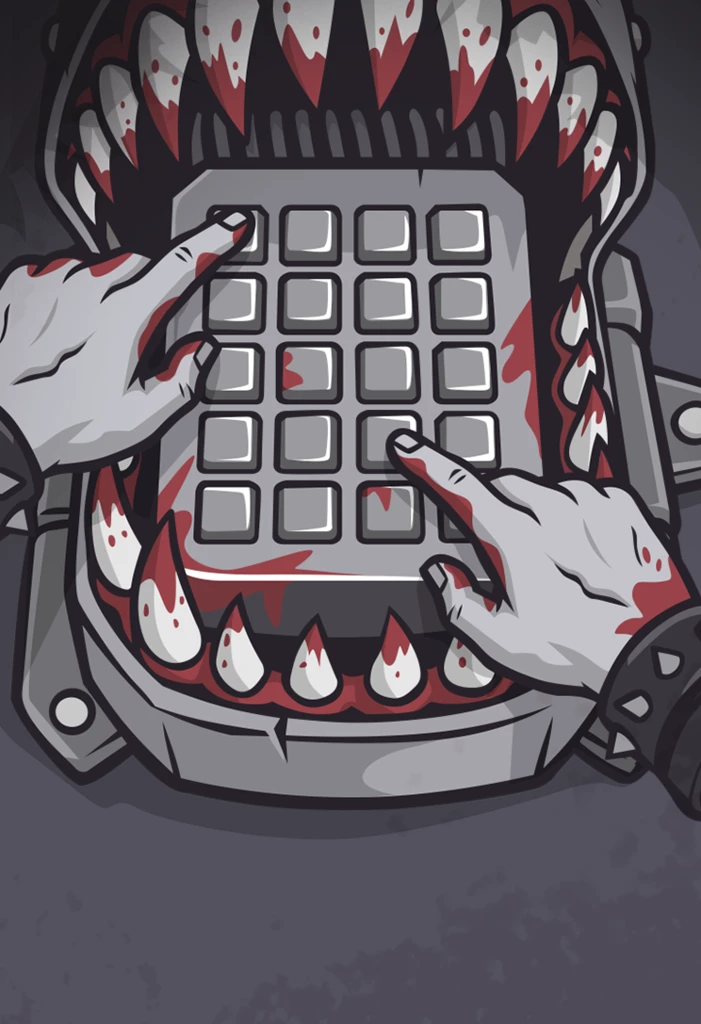 Double | Disruption | Doubles incoming penalties or trap modifiers for the next target |
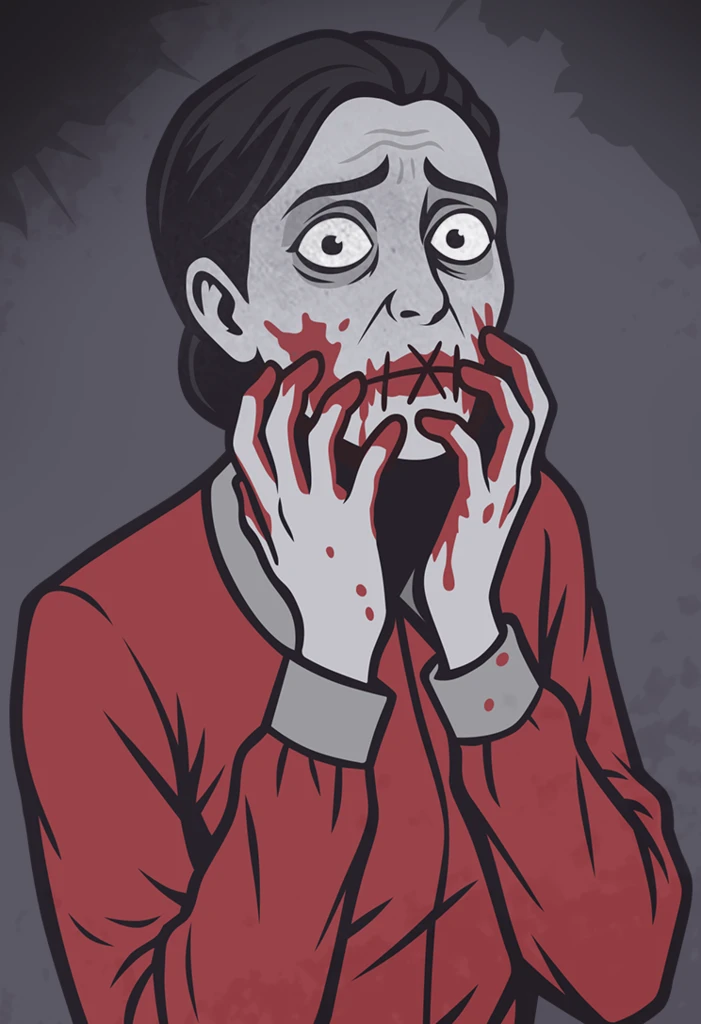 Silence | Disruption | Prevents the target player from playing cards during their turn |
| Leash | Disruption | Prevents the target player from activating a Pass card |
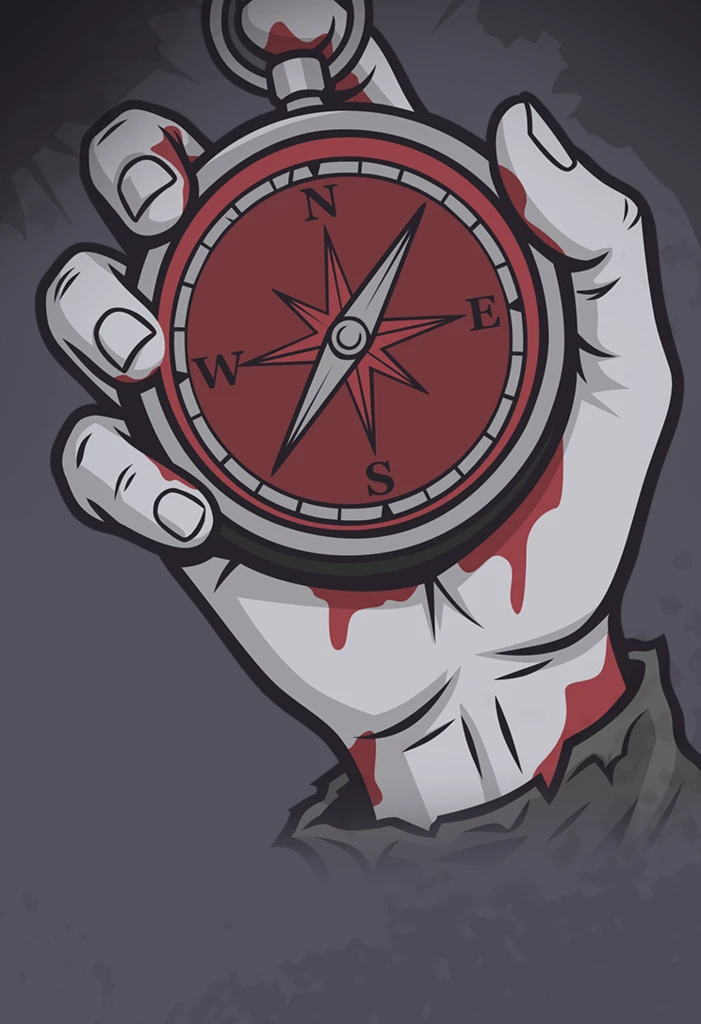 Reverse | Turn Control | Reverses the turn order and mechanism rotation direction |
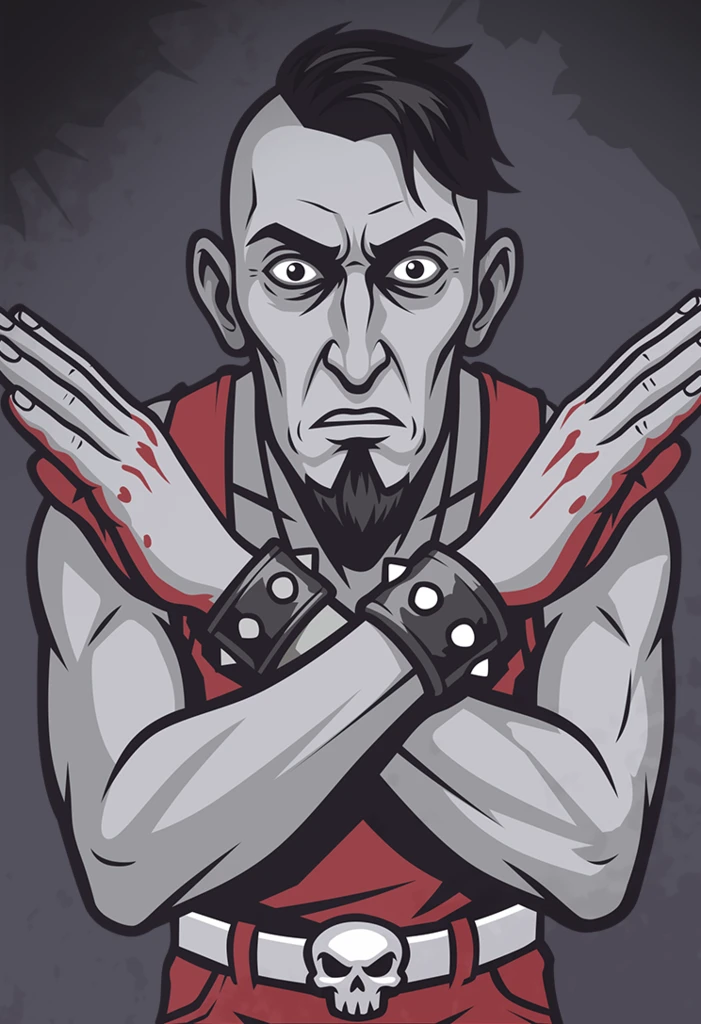 Pass | Turn Control | Ends your turn immediately, passing play to the next contestant |
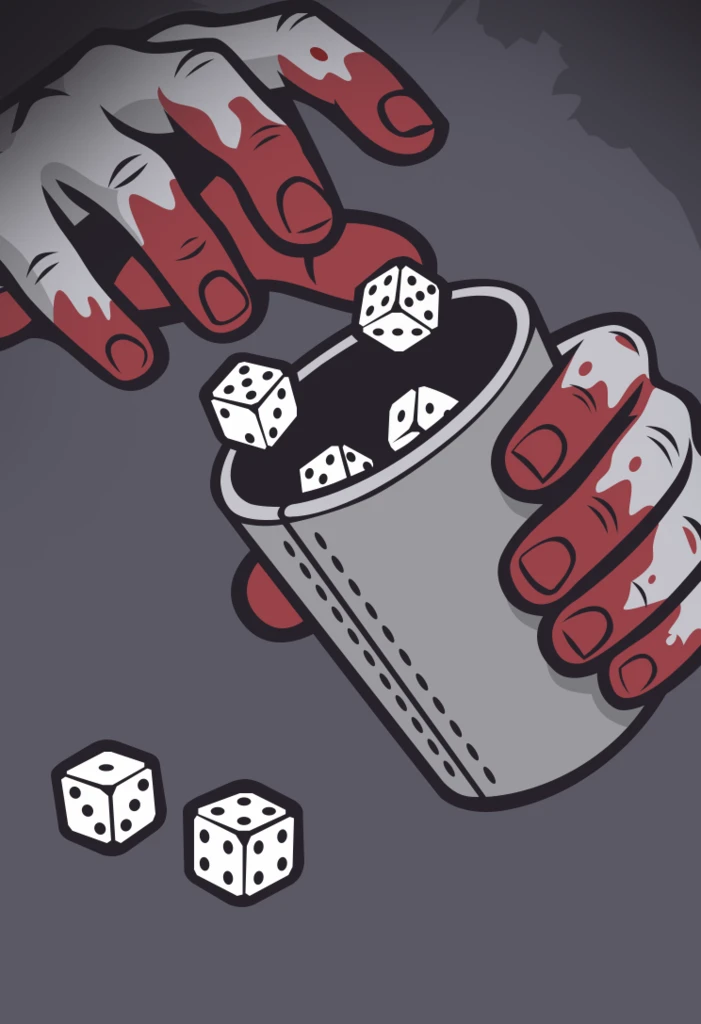 Shuffle | Board Control | Shuffles button positions across the device without changing statuses |
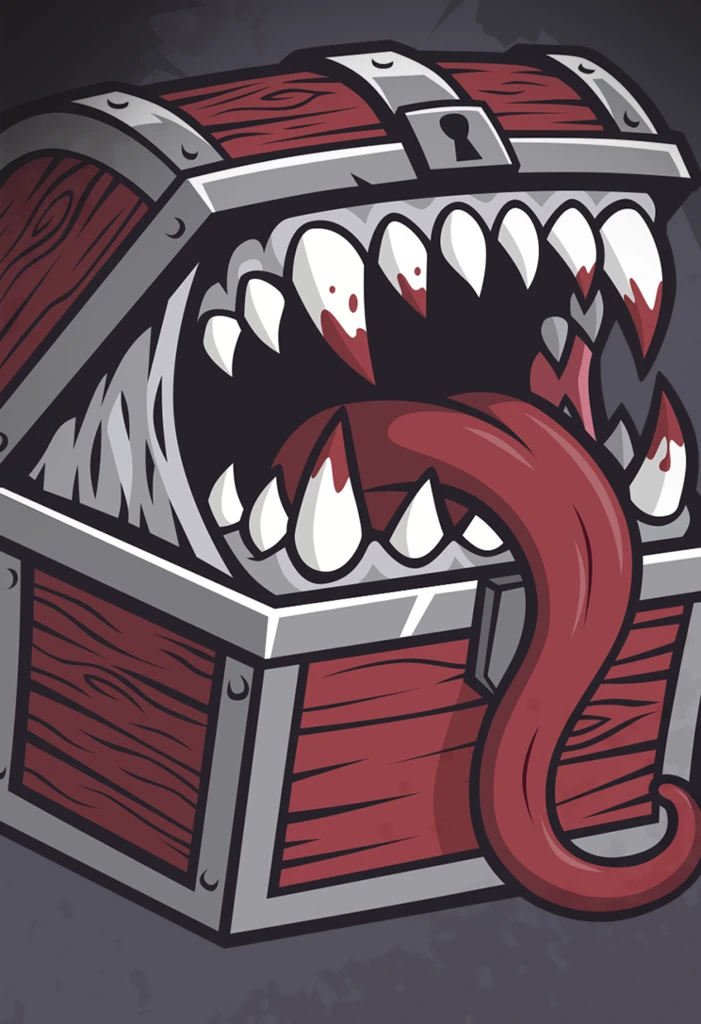 Mimic | Utility | Copies the exact effect of the previous card played by opponents |
 Steal | Utility | Steals an action card directly from an opponent's card rack |
Intel and Defensive Combinations
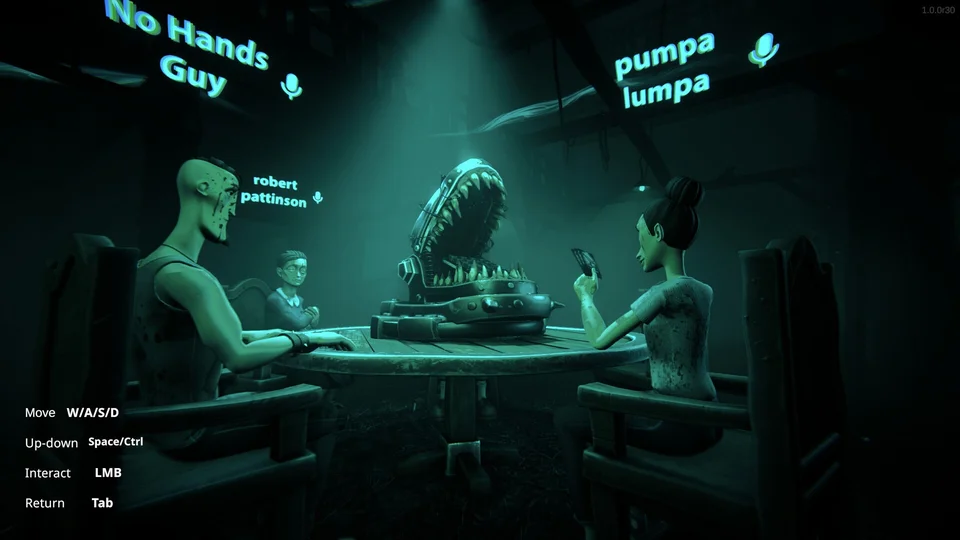
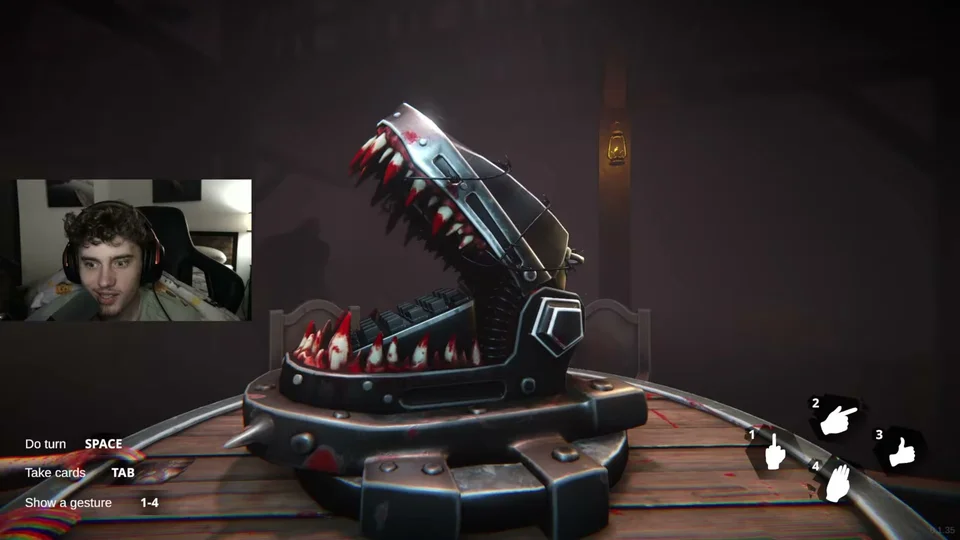
The most reliable defense against catastrophic jaw snaps is deploying Hint. Identifying a safe button guarantees a harmless turn without expending heavy defenses. However, when multiple dangerous buttons saturate the ring, Save serves as indispensable life insurance. If a contestant depresses a rigged button while protected by Save, the jaw mechanism jams with a metallic clatter, preventing limb amputation. For extended match sequencing, review our demo walkthrough guide.
Offensive Traps and Sabotage Combos
Offensive play centers on forcing rivals into inescapable hazards. Playing Sabotage increases the dangerous button count directly. When paired with Trap, the next contestant faces a 20% baseline hazard penalty. To ensure the target cannot escape, chain Leash to prohibit them from using Pass, or use Silence to prevent them from casting defensive counter-measures entirely.
Board Control and Opponent Disruption
When the table reaches high hazard density, Reverse and Pass dictate survival. Activating Reverse reverses play direction, throwing lethal failure odds back at the contestant who attempted to corner you. If an opponent hoards high value defenses, use Steal to confiscate their card, or employ Mimic to replicate their most impactful tactical play.
Sources
- Hands Over Release Delayed to November 13! - Steam News
- HANDS OVER on Steam
- Crocodile Dentist But Deadly! | HANDS OVER — Muff1n
- They Turned Crocodile Dentist Into A HORROR GAME | HANDS OVER — FlashForce
- HANDS OVER out on 13th! | Hands Over Demo — Tyler Caiden
- Crocodile Dentist... But You Lose A HAND — Kdawg618