Dungeonbound Crafting Guide: Rune Grids, Shrines, and Potion Fusion Mechanics
Mastering rune positioning, refillable potion brewing, and shrine fusion transforms basic weapons into lethal hybrid powerhouses in Dungeonbound, complementing our core strategies in the starter guide.
Positioning 2x2 Runes and Codex Tab Optimization
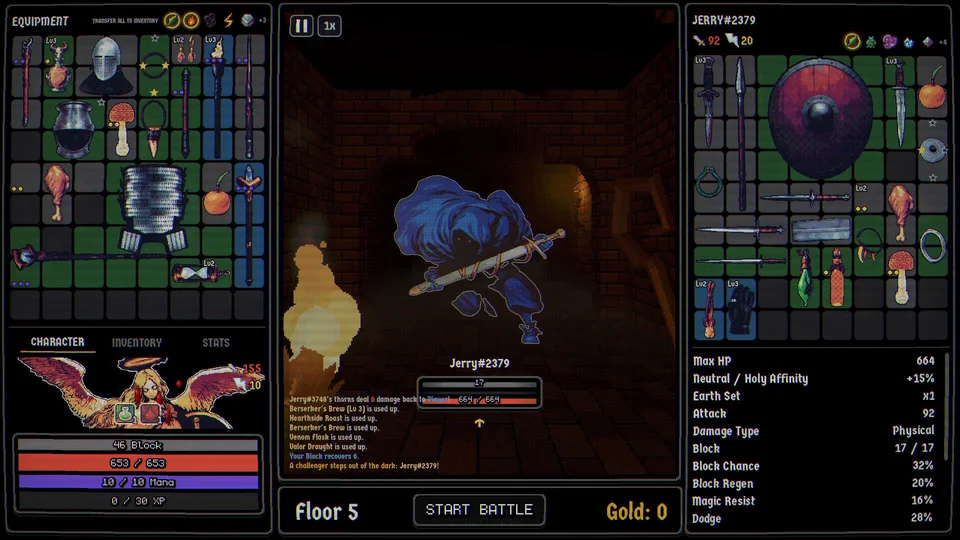
In Dungeonbound, the reworked rune system introduces 2x2 square tiles placed directly onto your equipment board. A rune actively powers whichever gear piece or weapon covers the majority of its four grid cells. With 36 new runes added to the game, consulting the Codex reveals dedicated tabs for runes and gems that document exact trigger conditions and power curves. Stacking multiple runes beneath oversized two-handed weapons or defensive armors unlocks layered passive buffs without cluttering your core backpack space.
For instance, placing a Shield of the Crown over defense runes can yield powerful synergies such as plus 20% of your block converting directly into thorns. Check our starter guide for core grid placement basics.
Permanent Refillable Potions and Brewing Tiers
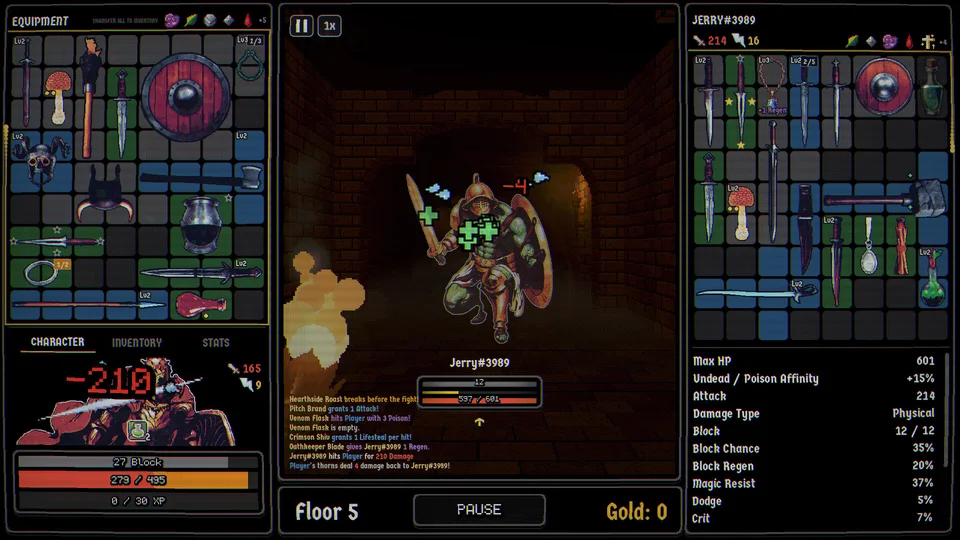
Unlike traditional consumable elixirs that disappear upon consumption, potions in Dungeonbound never break. Every potion automatically refills at the start of each battle encounter, functioning as a permanent active tool in your loadout. Rarer potions occupy larger grid dimensions and deliver stronger combat impacts, scaling from Rare 1x3 bottles to Epic 2x2 vials and Legendary or Alchemist-only 2x3 flasks.
Potions behave like standard equipment pieces: they can be leveled up, slotted with gems, and forged into hybrid gear. Merging identical potions fuses them into enhanced tiers, though gems no longer stack through merges. The specialized  Alchemist hero throws flasks in combat, and her brewing cauldron appears whenever your inventory contains at least two real potions. Explore class dynamics in our hero progression guide.
Shrine Crafting: Fusion Forge, Affinity Forge, and Gem Benches
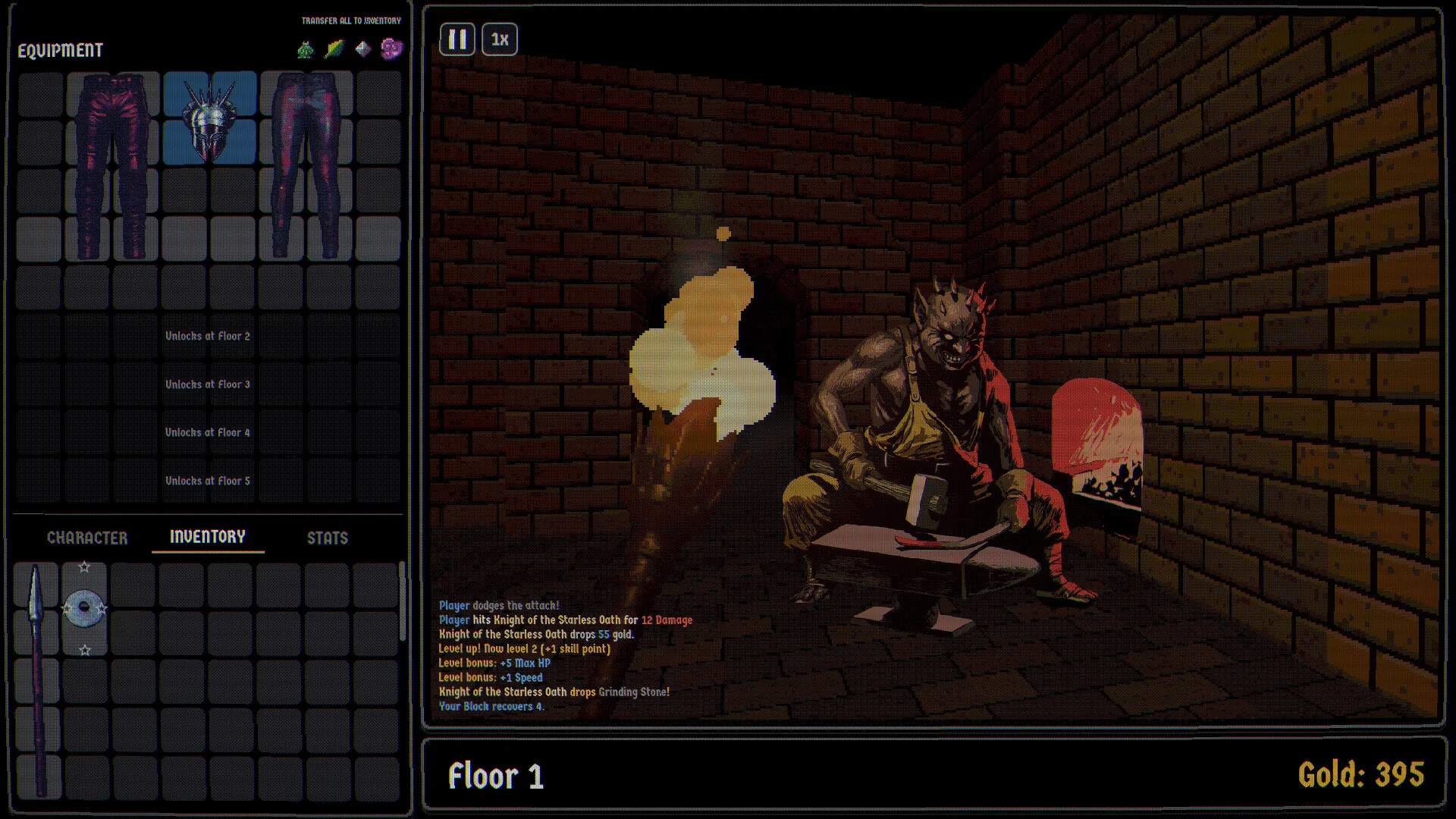
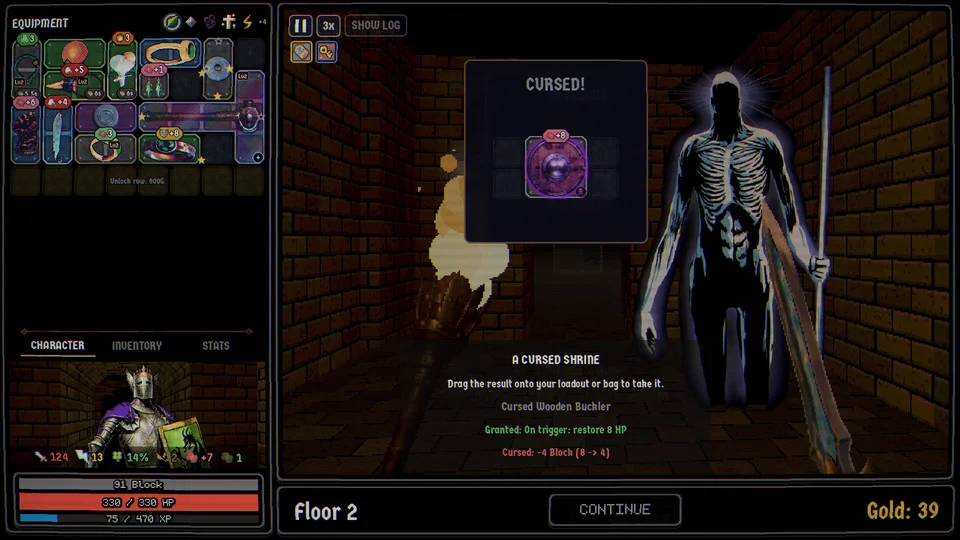
Dungeon climbs feature specialized interactive shrines that alter your items permanently. At the Fusion Forge, adventurers can fuse a potion into any item; the resulting hybrid keeps everything the base item did while gaining the potion's active effect, supported by ammo that refills every battle. The fusion forge interface lets you choose between two variants with full before-and-after stat comparisons, while the Mega Forge clearly lists any attributes sacrificed in the process. Forged items grow every stat as they level, retain curses from both parent items, and bows always preserve their arrows.
Exploration also reveals the Sanctifying Altar and the Gemcutter Bench. The upgrade altar keeps your item on the pedestal so you can upgrade multiple times in succession for gold. The Gambler's Forge now accepts potions and can be reused repeatedly by spending extra coins. Visiting the Affinity Forge changes one of an item's types to match your hero's class affinities. When slotting gems, socketable pieces light up across the board, enabling Archer players to slot Fletcher's Garnet to add precious bonus ammo to their bows.